






Paramount Moves to Shield Avatar From AI Use
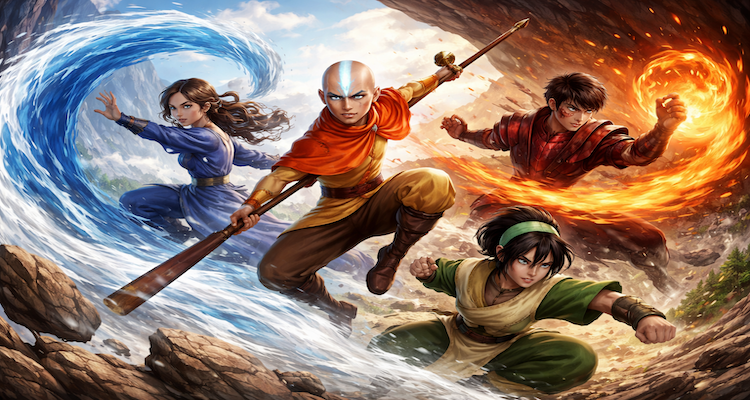
The battle over artificial intelligence in Hollywood has entered a new phase, and Avatar: The Last Airbender is now at the center of it.
Paramount Skydance, the parent company behind the beloved animated franchise, has formally pushed back against the alleged use of its intellectual property by generative AI platforms. The move aligns the studio with Disney in a growing industry-wide effort to rein in AI models trained on copyrighted material without permission.
Paramount Targets ByteDance Over AI Training
According to a report by Deadline, Paramount Skydance has issued a strong warning to ByteDance, the parent company of TikTok and developer of the AI systems Seedance and Seedream.
Through its legal representatives, Paramount demanded that ByteDance take immediate steps to prevent further violations of its intellectual property. The studio is seeking two outcomes: that its content not be used to train AI models going forward and that any allegedly infringing material already generated or hosted be removed from ByteDance’s platforms.
In its statement, Paramount argued that the AI systems in question have produced detailed imagery and content that closely resemble its most recognizable franchises and characters, properties protected under copyright and trademark law.
The studio further asserted that its intellectual property appears to have been used in the training process of these AI tools without authorization, calling such use unlawful.
Why Avatar: The Last Airbender Matters
Among the studio’s most valuable properties is Avatar: The Last Airbender, a franchise that has enjoyed a resurgence in recent years. Originally debuting on Nickelodeon in 2005, the series has grown into a global brand spanning animation, publishing, live-action adaptations, and upcoming feature films.
With new theatrical and streaming projects in development, including the highly anticipated The Legend of Aang: The Last Airbender, Paramount’s protective stance reflects both creative and financial stakes.
The franchise’s distinctive characters, elemental powers, and visual design make it especially vulnerable to imitation by generative AI tools trained on vast image datasets. For studios, that raises red flags not just about copyright infringement but also about brand dilution.
AI Tensions Still Loom Over Hollywood
The dispute arrives at a time when generative AI remains one of the most divisive issues in the entertainment industry.
Artificial intelligence was a central concern during the 2023 Writers Guild of America (WGA) and SAG-AFTRA strikes. Both unions demanded protections against the use of AI to write scripts, replicate performers’ likenesses, or undermine creative labor.
While new contract agreements addressed several of those concerns, AI’s role in film and television production continues to evolve, and remains controversial.
Some studios have publicly explored AI’s potential to reduce production costs or streamline development. Sony Pictures, for example, has spoken openly about experimenting with AI-assisted workflows.
At the same time, companies are drawing firm lines when it comes to protecting their own copyrighted content from being absorbed into AI training systems.
Disney’s Mixed Approach to AI
Paramount’s stance mirrors recent actions taken by Disney, which has also objected to how ByteDance’s AI platforms allegedly used its intellectual property.
However, Disney’s broader AI strategy has drawn scrutiny. The company has simultaneously raised concerns about unauthorized training while entering into partnerships that integrate its characters into certain AI-driven user experiences.
That dual approach — defensive in one context, collaborative in another, has fueled debate among creators and fans about where studios truly stand on artificial intelligence.
Paramount Skydance’s messaging, by contrast, signals a more guarded posture regarding its flagship brands.
Fans React Amid Streaming Controversy
Paramount’s effort to protect Avatar from AI comes at a complicated moment for the franchise.
In December, the studio announced that The Legend of Aang: The Last Airbender, originally planned for theatrical release, would instead debut exclusively on Paramount+. The decision followed multiple production delays and sparked disappointment among longtime fans.
Many viewers had hoped to see the sequel film on the big screen, arguing that a theatrical experience would better honor the scale and legacy of the series. Social media reactions reflected frustration that the franchise was not receiving the same cinematic treatment as other animated blockbusters.
While a streaming release may accelerate the film’s arrival, some fans viewed the move as a downgrade rather than an upgrade.
Against that backdrop, Paramount’s strong defense of its intellectual property sends a different message: that the company still views Avatar as a premium asset worth safeguarding aggressively.
The Legal and Industry Implications
At the heart of Paramount’s action is a broader legal question: Can generative AI systems be trained on copyrighted works without explicit permission?
AI companies have often argued that training models on publicly available data constitutes fair use. Content owners, meanwhile, contend that such training exploits creative work without compensation or consent.
Several lawsuits across the publishing, art, and entertainment sectors are already testing those boundaries in U.S. courts. Outcomes in those cases could shape the future of AI development and intellectual property law.
If major studios like Paramount and Disney successfully push back against AI firms, it could force model developers to negotiate licensing agreements, potentially reshaping how generative tools are built and monetized.
For Hollywood, the stakes are high. Studios invest billions in developing recognizable franchises. Allowing AI systems to replicate those characters or aesthetics without oversight could erode exclusivity and revenue streams.
What Comes Next for Avatar and AI
For now, Paramount Skydance appears determined to keep Avatar: The Last Airbender firmly under its own control, both creatively and legally.
The company has taken a proactive approach to expanding the franchise, with new animated films and projects in development. Protecting the integrity of those properties is central to long-term strategy, particularly as competition intensifies across streaming platforms.
At the same time, the AI debate is unlikely to disappear. Generative tools are becoming more sophisticated and more accessible, blurring lines between inspiration and imitation.
How courts and regulators ultimately define those boundaries will determine whether studios can fully shield their properties, or whether AI-generated content becomes an unavoidable part of the entertainment ecosystem.
A Defining Moment for Creative Ownership
The clash between Paramount Skydance and ByteDance underscores a turning point for Hollywood.
Studios that once hesitated to confront AI companies are now taking clearer positions, even as they experiment cautiously with the technology themselves.
For fans of Avatar: The Last Airbender, the immediate takeaway is reassuring: the franchise’s owner is actively defending its creative universe from unauthorized digital replication.
But the broader battle over who controls intellectual property in the age of artificial intelligence is just beginning, and its outcome could redefine how stories are created, protected, and experienced for decades to come.
Continue Exploring:
Demon Slayer Infinity Castle Sequel Skips 2026 Release Window
One Piece Returns to Fenway for Red Sox Night
Solo Leveling: Ragnarok Sets July English Debut
This content is published for informational or entertainment purposes. Facts, opinions, or references may evolve over time, and readers are encouraged to verify details from reliable sources.