





Pakistan to Boycott India Clash at T20 World Cup
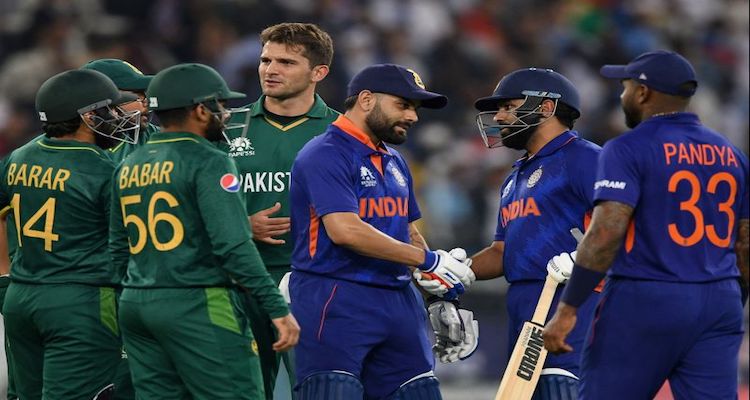
One of cricket’s most anticipated rivalries will be missing from the 2026 ICC Men’s T20 World Cup. Pakistan has formally decided not to play its scheduled group-stage match against India, a move that reshapes the tournament’s narrative and dents global viewership expectations.
The decision underscores how deeply geopolitics continues to shape international sport, even on cricket’s biggest stage.
Pakistan clears World Cup entry but draws a line
Pakistan’s federal government has approved the national team’s participation in the ICC Men’s T20 World Cup 2026 but placed a clear restriction on one fixture.
In a statement posted Sunday on the government’s official X (formerly Twitter) account, authorities said the Pakistan cricket team would not take the field for its February 15 group match against India. No detailed explanation accompanied the announcement.
The message confirmed that while Pakistan will compete in the tournament overall, the highly anticipated India-Pakistan clash will not take place.
(With inputs from Reuters.)
Matches shifted to neutral venues
Pakistan’s group-stage matches are scheduled to be played in Sri Lanka, in line with its longstanding policy of not touring India due to persistent political and security concerns.
This arrangement follows an International Cricket Council (ICC) compromise that allows India and Pakistan to face each other at neutral venues when one of the countries hosts a major global event.
That framework has been in place for several years as bilateral cricket between the two nations remains frozen.
A rivalry shaped by conflict, not cricket
Cricketing ties between India and Pakistan have been effectively suspended outside of ICC and Asian Cricket Council events for more than a decade.
Relations deteriorated further after a military confrontation last year that pushed the nuclear-armed neighbors close to a wider conflict. Since then, diplomatic relations have remained strained, with sporting exchanges often becoming symbolic extensions of broader political disputes.
As a result, cricket administrators have had limited room to maneuver when scheduling marquee fixtures involving the two sides.
Squad named before approval came through
Pakistan had already announced its squad for the expanded 20-team tournament, which begins on February 7, well before the government’s final clearance.
At the time, officials made it clear that participation was subject to formal approval from Islamabad. Sunday’s announcement resolves that uncertainty but also confirms that fans will be denied the tournament’s biggest draw.
Pakistan are former champions of the format, having won the inaugural T20 World Cup in 2009.
A major blow to tournament viewership
From a commercial and fan-engagement perspective, the boycott is a significant setback for the ICC.
An India-Pakistan contest is widely considered the most valuable fixture in world cricket, often attracting hundreds of millions of viewers across television and digital platforms.
Broadcasters, sponsors, and host boards typically rely on the rivalry to anchor tournament interest, particularly in the group stages. Its absence could impact advertising revenues and global buzz around the event.
Not the tournament’s first disruption
This is not the only geopolitical issue to affect the 2026 World Cup lineup.
Bangladesh have been replaced by Scotland in the tournament after refusing to travel to India, citing safety concerns. That decision forced the ICC to reshuffle qualification slots and raised further questions about the challenges of hosting global events amid regional tensions.
Together, the developments highlight how non-cricketing factors continue to influence international tournaments.
Echoes of last year’s Asia Cup fallout
The decision also revives memories of last year’s Asia Cup, where political strain spilled visibly onto the field.
India defeated Pakistan three times during the tournament, including a dominant win in the final on September 28 in Dubai. However, the matches were overshadowed by strained optics off the pitch.
Indian players declined to shake hands with their Pakistani counterparts and refused to accept the championship trophy from Asian Cricket Council chief Mohsin Naqvi, who also serves as Pakistan’s interior minister.
The incident drew widespread attention and symbolized how fractured relations had become.
ICC left navigating familiar fault lines
For the ICC, Pakistan’s decision reinforces a recurring dilemma: balancing sporting integrity with political realities beyond its control.
While neutral venues and scheduling compromises have kept tournaments intact, they cannot fully shield events from diplomatic decisions taken by member governments.
Cricket officials have consistently maintained that they respect national policies, even when those choices disrupt competitive balance or fan expectations.
What comes next for the World Cup
Pakistan’s absence from the India match raises practical questions about group standings, points allocation, and scheduling adjustments, all of which the ICC will need to clarify closer to the tournament.
More broadly, it casts doubt over whether future global events can reliably feature cricket’s most famous rivalry without external intervention.
For now, the 2026 T20 World Cup will move forward—just without the fixture that has long defined its biggest moments.
A rivalry paused, not resolved
India versus Pakistan remains cricket’s most emotionally charged contest, but it is increasingly shaped by forces far removed from the boundary rope.
Until political relations thaw, their meetings are likely to remain rare, heavily managed, or absent altogether. The latest decision is less a surprise than a reminder: in South Asian cricket, geopolitics still sets the field.
ALSO READ: Bet-Rigging Scandal Hits U.S. Colleges and China Hoops
This content is published for informational or entertainment purposes. Facts, opinions, or references may evolve over time, and readers are encouraged to verify details from reliable sources.