





Mahakaleshwar: The Temple Where Time Bows to Shiva
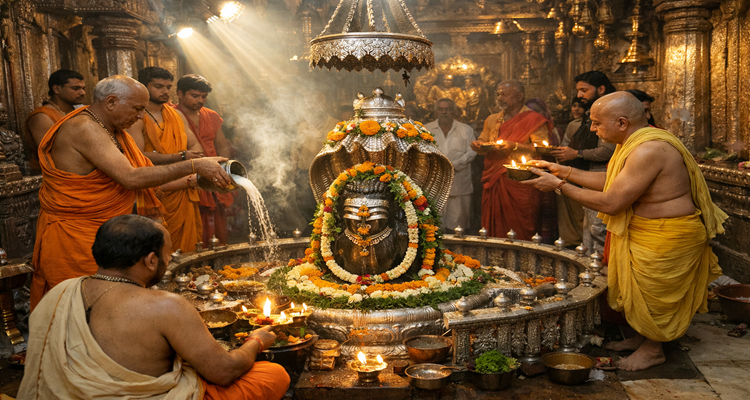
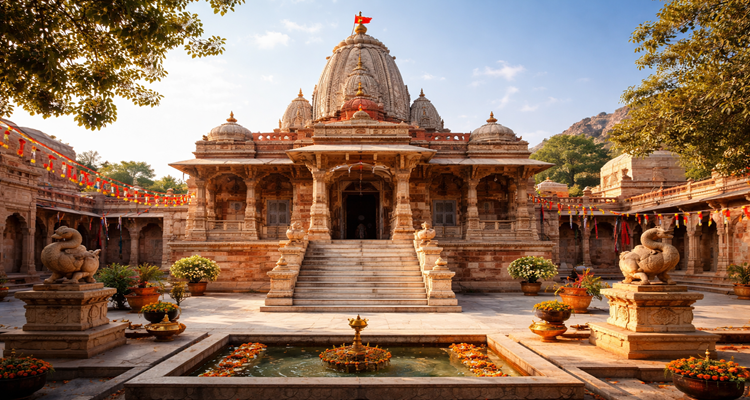
In the ancient city of Ujjain stands one of the most revered temples in Hindu tradition: Mahakaleshwar Jyotirlinga. Unlike many sacred shrines, this temple represents a profound philosophical idea: Shiva as the master of time itself.
For centuries, pilgrims have traveled to Ujjain believing that Mahakaleshwar embodies the divine force that transcends life, death, and the relentless passage of time.
Ujjain: A City of Cosmic Importance
Ujjain has long been considered one of India’s most sacred cities. Historically known as Avantika, the city played an important role in astronomy, philosophy, and spiritual practice.
Ancient scholars even used Ujjain as a reference point for calculating time and celestial movements. This connection to cosmic cycles made it a natural setting for a shrine dedicated to Shiva as Mahakal, meaning “the great lord of time.”
The Meaning of Mahakal
The name Mahakal carries deep philosophical meaning.
In Hindu thought, time is seen as both a creative and destructive force. Everything that exists eventually dissolves within its flow. Shiva, as Mahakal, represents the power that exists beyond these cycles.
He is not merely the destroyer but the eternal consciousness that remains when time itself fades away.
The Sacred Jyotirlinga
Mahakaleshwar is one of the twelve Jyotirlingas, temples believed to represent Shiva’s presence as cosmic light.
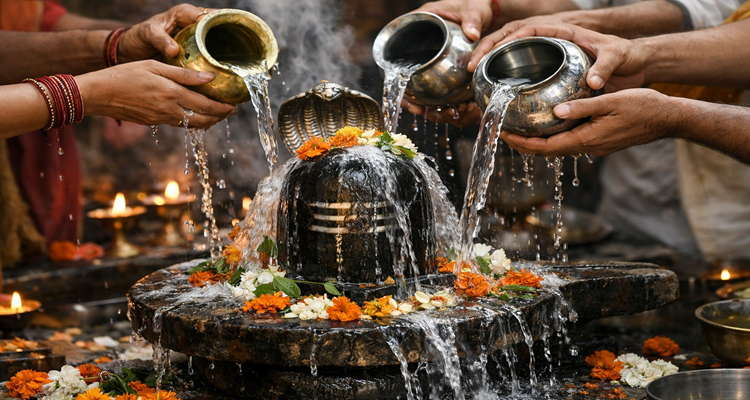
Unlike most Shiva shrines, where the lingam faces east, the Mahakaleshwar lingam faces south. This direction is traditionally associated with Yama, the deity of death.
The orientation symbolizes Shiva’s dominion over mortality.
The Unique Bhasma Aarti
One of the temple’s most distinctive rituals is the Bhasma Aarti, performed before dawn each day.
During this ceremony, sacred ash is offered to the deity. Ash holds powerful symbolism in Shaivite philosophy, it represents the ultimate fate of all physical matter.
Through the ritual, devotees are reminded that life is temporary while spiritual truth is eternal.
A Center of Pilgrimage
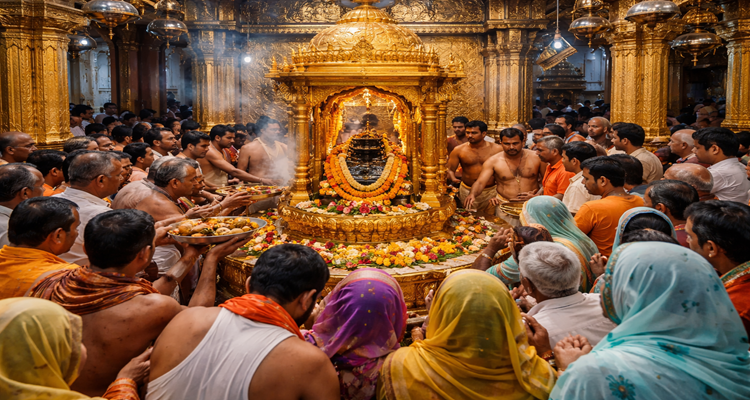
Mahakaleshwar attracts millions of pilgrims annually, particularly during festivals and the sacred month of Shravan.
Devotees gather for prayers, meditation, and ritual offerings seeking blessings for protection, prosperity, and spiritual liberation.
For many visitors, the experience represents a deeply personal encounter with divine presence.
Cultural and Historical Influence
Beyond religious significance, the temple has shaped the identity of Ujjain for centuries.
Festivals such as the Kumbh Mela draw massive crowds, transforming the city into one of the world’s largest spiritual gatherings.
The temple’s influence also extends to literature, philosophy, and classical traditions of Shaivism.
Real-World Impact
Today, Mahakaleshwar serves as both a spiritual center and an economic driver for the region.
Tourism, pilgrimage services, and cultural events support local livelihoods while preserving centuries-old traditions.
The temple remains a powerful symbol of how ancient philosophy continues to shape modern religious life.
Conclusion
Mahakaleshwar stands as more than a sacred temple.
It represents a profound philosophical message: that beyond the relentless movement of time lies an eternal spiritual reality. For countless devotees, visiting Ujjain becomes an opportunity to reflect on life’s impermanence and seek connection with the timeless.
This content is published for informational or entertainment purposes. Facts, opinions, or references may evolve over time, and readers are encouraged to verify details from reliable sources.