


Mahadev Barat: The Sacred Wedding of Shiva
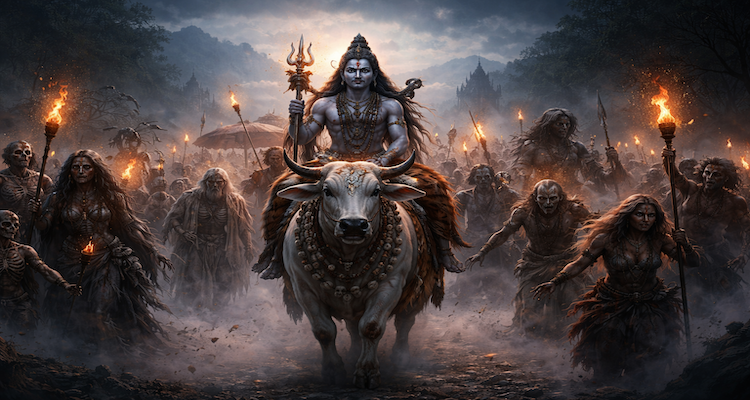
Every year, millions of devotees across India and beyond celebrate Maha Shivratri with fasting, prayers, and night-long vigils. But at the heart of this sacred festival lies a powerful story-the divine wedding of Lord Shiva and Goddess Parvati, known as Mahadev Barat.
This celestial union is more than mythology. It symbolizes balance, devotion, transformation, and the eternal harmony between masculine and feminine energies.
The Mythological Origins of Maha Shivratri
Maha Shivratri, meaning “The Great Night of Shiva,” is one of the most revered festivals in Hindu tradition. While several legends are associated with this night, one of the most cherished narratives centers on the wedding of Lord Shiva and Goddess Parvati.
According to ancient Hindu scriptures such as the Shiva Purana and Skanda Purana, Goddess Parvati was born as the daughter of King Himavan and Queen Mena. In her previous birth as Sati, she had immolated herself after her father Daksha insulted Lord Shiva.
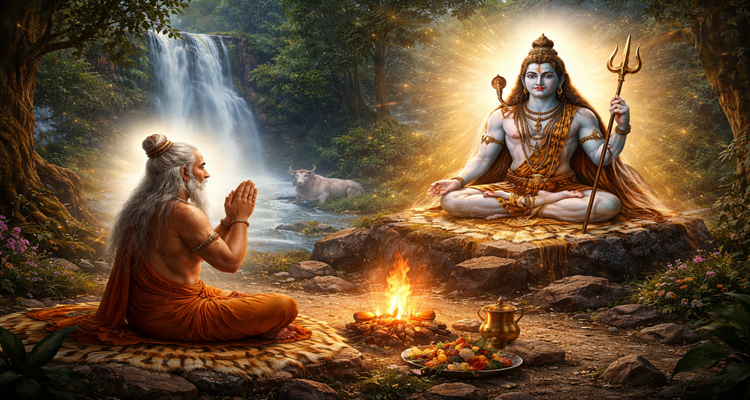
Determined to reunite with Shiva in her new life, Parvati undertook intense penance and meditation to win his love.
Her devotion was unwavering. For years, she endured extreme austerities, renouncing comfort and material pleasures. Impressed by her determination and purity of heart, Lord Shiva accepted her as his consort.
Their wedding is believed to have taken place on the night of Maha Shivratri.
Mahadev Barat: A Wedding Like No Other
Unlike traditional royal weddings described in ancient texts, Shiva’s wedding procession — the Mahadev Barat -was unconventional, even startling.
Shiva, often portrayed as the ascetic yogi, arrived at Parvati’s palace not adorned in jewels and silk but draped in tiger skin, smeared with ash, and accompanied by ghosts, spirits, sages, and divine beings.
The sight reportedly terrified Parvati’s mother, who had envisioned a regal groom for her daughter. Yet beneath the fierce exterior stood the Supreme Consciousness-compassionate, detached, and beyond worldly illusions.
This dramatic imagery is not incidental. It underscores a deeper philosophical truth: reality is not always what it appears to be.
The Symbolism Behind Shiva and Parvati’s Union
The divine wedding is layered with profound symbolism.
Shiva represents pure consciousness.
He embodies detachment, meditation, and the formless aspect of divinity.
Parvati represents Shakti, or divine energy.
She symbolizes creation, fertility, strength, and devotion.
Their union signifies the coming together of consciousness and energy-the fundamental forces of the universe. Without Shakti, Shiva is inert. Without Shiva, Shakti is directionless.
In spiritual philosophy, this harmony reflects the balance required in human life: action guided by awareness, strength tempered by wisdom, and devotion grounded in discipline.
Why Maha Shivratri Matters Today
Beyond ritual fasting and temple visits, Maha Shivratri carries spiritual depth that resonates even in modern times.
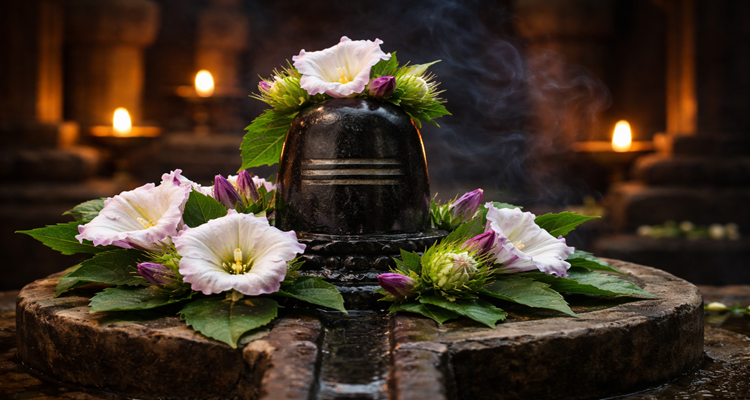
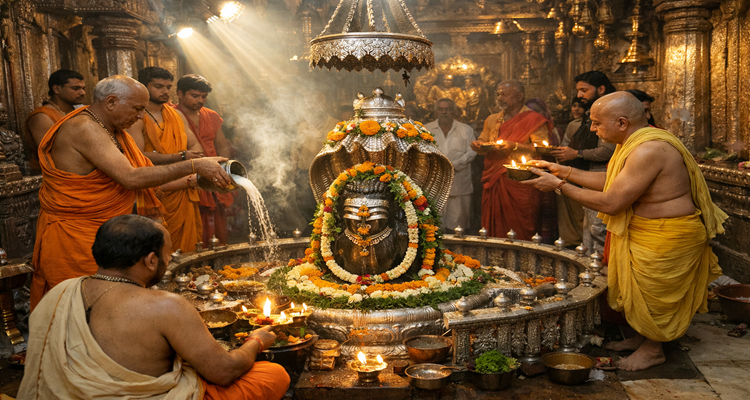
Devotees observe night-long prayers, chanting “Om Namah Shivaya,” and offer milk, water, and bilva leaves to the Shiva Lingam. Many see this night as an opportunity for inner cleansing and self-reflection.
Spiritual leaders often describe Maha Shivratri as a time when cosmic energies are especially supportive of meditation. According to Sadhguru Jaggi Vasudev, founder of the Isha Foundation, Maha Shivratri is “a night of awakening,” when planetary alignments are believed to enhance spiritual growth.
Whether viewed through faith or philosophy, the festival encourages discipline, mindfulness, and devotion.
Cultural Celebrations Across India
The story of Mahadev Barat is brought to life in vibrant ways across different regions.
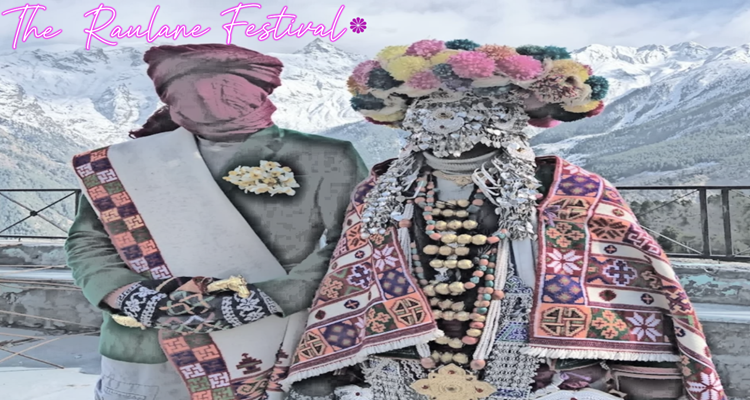
In North India, particularly in Uttarakhand and Himachal Pradesh, wedding processions reenacting Shiva’s arrival are performed with music and devotional songs.
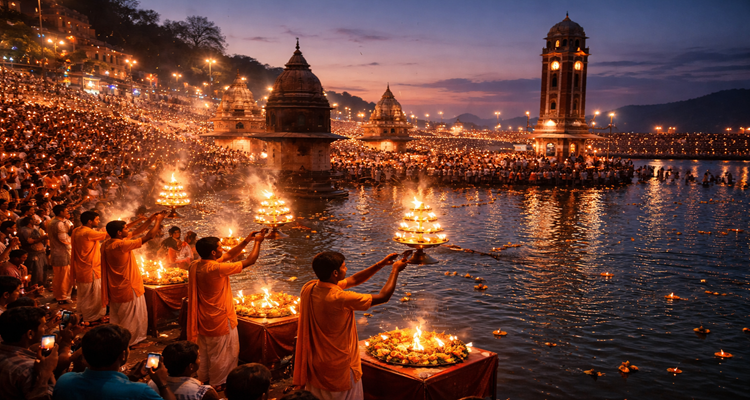
In Varanasi, one of Shiva’s holiest cities, temples remain open all night as devotees queue for hours to offer prayers.
In South India, the emphasis is often on meditation, temple rituals, and classical dance performances dedicated to Nataraja, Shiva as the cosmic dancer.
These regional expressions demonstrate how mythology seamlessly blends into living tradition.
Public Devotion and Global Reach
In recent decades, Maha Shivratri has gained global recognition. Indian diaspora communities celebrate the festival in temples across the United States, the United Kingdom, Australia, and beyond.
Social media platforms amplify its reach, with live-streamed temple ceremonies and spiritual discourses drawing millions of viewers.
Religious scholars note that the enduring appeal of Shiva lies in his complexity-a deity who is both destroyer and benefactor, ascetic and householder.
Dr. Devdutt Pattanaik, mythologist and author, has explained in various lectures that Shiva’s wedding narrative reflects the idea that divinity transcends social norms and expectations. The “unconventional groom” challenges superficial judgments and invites deeper understanding.
Spiritual Meaning for Devotees
At its core, the story of Shiva and Parvati is about perseverance, faith, and transformation.
Parvati’s intense penance symbolizes unwavering focus on one’s goal. Shiva’s eventual acceptance represents the reward of spiritual discipline.
For married couples, the divine wedding is seen as a model of partnership rooted in respect and equality. For spiritual seekers, it represents the merging of the individual soul with universal consciousness.
The festival also highlights the idea that opposites can coexist harmoniously-asceticism and family life, destruction and creation, silence and celebration.
Impact on Society and Future Generations
Maha Shivratri continues to shape cultural identity and spiritual practice in Hindu communities worldwide.
Educational institutions and cultural organizations often host storytelling sessions and workshops explaining the significance of Mahadev Barat to younger generations. This ensures that ancient narratives remain relevant in a rapidly modernizing world.
As interest in mindfulness and meditation grows globally, the philosophical aspects of Shiva’s symbolism-stillness, detachment, awareness-find resonance beyond religious boundaries.
The festival’s message of inner balance may be more relevant today than ever before.
A Timeless Union of Energy and Consciousness
The wedding of Lord Shiva and Goddess Parvati is not merely a myth preserved in sacred texts. It is a living story, celebrated annually, interpreted across centuries, and experienced personally by millions of devotees.
Mahadev Barat reminds us that true harmony lies in balancing strength with compassion, devotion with wisdom, and individuality with unity.
On the sacred night of Maha Shivratri, as chants echo in temples and homes, the ancient story continues to inspire reflection, faith, and spiritual awakening.
Continue Exploring:
- Shiva and Kamakhya: Where Shakti Meets Consciousness
- Why Lord Shiva Is Believed to Reside on Mount Kailash
- The Birth of Lord Shiva: Myths That Shaped Hindu Thought
This content is published for informational or entertainment purposes. Facts, opinions, or references may evolve over time, and readers are encouraged to verify details from reliable sources.