







Lost ‘Combiner Wars’ Art Resurfaces After Decade
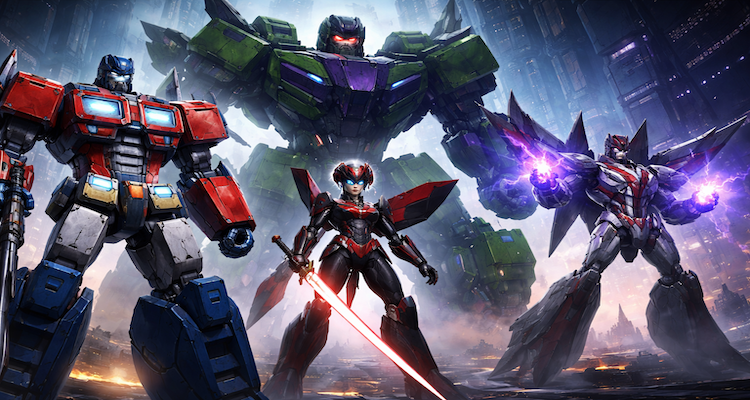
A decade after its debut, Transformers: Combiner Wars is back in the spotlight-not through a reboot or remaster, but through long-hidden concept art that reveals how the ambitious web series first took shape.
The newly released designs offer fans a rare glimpse into the creative process behind Machinima’s 2016 animated experiment and highlight how the show quietly influenced the franchise’s darker, modern era.
A Forgotten Chapter in Transformers History
When Transformers: Combiner Wars premiered in 2016, it marked a significant moment for the franchise. Produced by Machinima in partnership with Hasbro Studios, the series was distributed online at a time when digital-first animation was still carving out its identity.
Unlike traditional broadcast shows such as Transformers: Prime or Beast Wars, this series was built for streaming audiences. It arrived alongside a coordinated toy line from Hasbro, reviving classic “Combiner” teams-groups of Autobots and Decepticons that merge into massive super-robots.
Now, newly published concept art from Inada Studio sheds light on how the series’ visual direction came together under unusual circumstances.
Designing Without a Roadmap
According to the official description accompanying the artwork, the creative team began work without a completed script or established visual references. That absence of direction placed unusual responsibility on the designers.
The artist behind the released images noted that the pre-production phase required close collaboration with animation director Kenji Nakamura, known for his work on Gatchaman Crowds. Together, they shaped the tone and aesthetic foundation of the series before the story itself had fully solidified.
That early improvisation is visible in the artwork.
The newly revealed images show Optimus Prime rendered with strong echoes of the classic Generation 1 (G1) design language, but with sharper, more angular updates. Beside him stands what appears to be Windblade-at the time, a relatively new Autobot introduced through fan-driven initiatives and comic storylines.
Other striking visuals include the towering Devastator, formed from the Constructicons, and a Decepticon figure strongly resembling Megatron. Additional frames depict Starscream harnessing immense energy and a sleek, futuristic vision of Cybertron.
The art feels bold and experimental-slightly more stylized than what ultimately appeared on screen.
The G1 Influence-With a Modern Edge
By the time Combiner Wars reached audiences, the final character models leaned more heavily into the evergreen G1 aesthetic that has remained central to the brand’s identity.
The concept art, however, suggests the team initially explored a more contemporary reinterpretation of familiar figures.
That tension between nostalgia and reinvention has long defined Transformers storytelling. The franchise often revisits its 1980s roots while updating designs for new generations of viewers.
In this case, the early illustrations hint at a slightly more dynamic visual language before settling into the classic look that fans recognize.
Reviving the Combiners for a New Generation
The show’s core appeal lay in its revival of the Combiner concept—a fan-favorite element from earlier eras of the franchise.
Groups like the Constructicons, who merge into Devastator, returned to prominence. Hasbro’s accompanying toy line mirrored this focus, reinforcing the synergy between animated storytelling and merchandise that has defined Transformers since its inception.
For longtime fans, the series represented a return to large-scale, faction-driven conflict. For newer audiences, it introduced the mythology of combined warriors in a streaming-era format.
Windblade’s Rising Star
One of the series’ lasting contributions was elevating Windblade into a central franchise figure.
Originally introduced through a fan-poll initiative that allowed audiences to help design a new Autobot, Windblade quickly became a fixture in comics and animation. Combiner Wars solidified her presence in animated storytelling.
In the years that followed, she appeared in multiple Transformers projects, confirming her status as more than a one-off experiment. The newly revealed artwork underscores how early the creative team positioned her as a key player.
A Stepping Stone to Darker Storytelling
Though Combiner Wars did not achieve the cultural longevity of earlier Transformers series, its tonal direction proved influential.
The show leaned into political intrigue, internal faction conflict, and morally complex leadership struggles-elements that later became more pronounced in Netflix’s Transformers: War for Cybertron trilogy.
That trilogy, known for its darker atmosphere and serialized storytelling, built upon themes that Combiner Wars had already begun exploring in the digital space.
In hindsight, the Machinima series appears less like a side project and more like a transitional bridge between traditional children’s animation and modern, lore-driven Transformers narratives aimed at older audiences.
Public Reaction and Franchise Reflection
The release of the concept art has sparked renewed discussion among fans online, particularly those who followed the series during its initial run.
Many longtime viewers have expressed appreciation for seeing how the visual identity evolved from early sketches to final animation. The artwork offers insight into creative risks that never fully made it to screen.
For animation enthusiasts, it also serves as a reminder of the iterative nature of production. Visual worlds are often built before scripts are finalized, and design decisions can define tone long before dialogue is written.
Why This Reveal Matters
Anniversary milestones often prompt reflection, but the 10-year mark for Combiner Wars arrives at a time when legacy franchises are reassessing their digital archives.
Releasing concept art does more than satisfy nostalgia-it documents creative history. It highlights the designers and directors who shaped a project under unconventional constraints.
It also reinforces how digital distribution models in the mid-2010s paved the way for today’s streaming-dominant animation landscape.
Without experiments like Machinima’s web series model, later high-budget streaming trilogies might have taken a different path.
The Broader Transformers Legacy
The Transformers brand has survived for more than four decades by evolving without abandoning its core identity.
Each era-from G1 to Beast Wars, from Prime to Netflix’s reimagined sagas-adds a new layer to Cybertron’s mythology.
Combiner Wars may not be the most celebrated entry, but its rediscovered concept art reminds fans that every installment contributes to the franchise’s long arc.
The early designs reveal ambition, uncertainty, and experimentation-all hallmarks of creative growth.
Looking Ahead
As Transformers continues expanding across film, streaming, comics, and toys, archival releases like this offer valuable perspective.
They show how creative risks shape familiar icons. They highlight the collaborative efforts behind the scenes. And they remind audiences that even lesser-known chapters can leave lasting fingerprints on a franchise’s future.
Ten years later, Combiner Wars may not dominate headlines-but its newly revealed artwork proves it still has a story to tell.
Continue Exploring: Anime’s Middle Ground Is Disappearing Fast
This content is published for informational or entertainment purposes. Facts, opinions, or references may evolve over time, and readers are encouraged to verify details from reliable sources.