




Is Culture Still Culture If It’s Optimized for Virality?
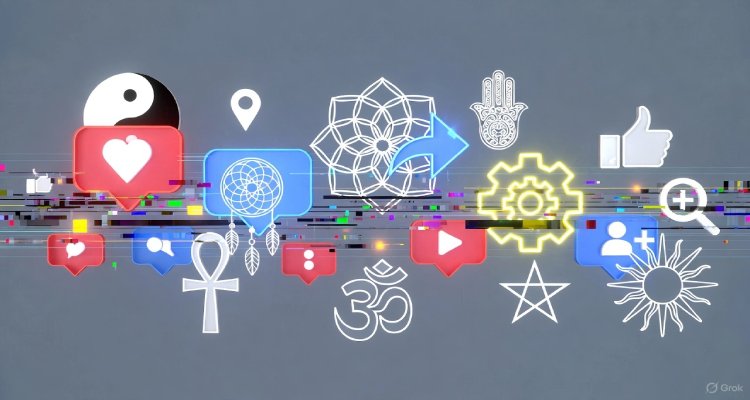
As art, humor, and identity are reshaped for algorithms, experts question whether culture optimized for virality can still remain authentic and meaningful.
Introduction: When Culture Competes for Clicks
A dance lasts 15 seconds. A joke must land in three lines. A song needs its chorus in the first 10 seconds. Today, culture often arrives trimmed, optimized, and engineered not for depth—but for distribution.
Across social media platforms, from TikTok to Instagram Reels to YouTube Shorts, cultural expression is increasingly shaped by what travels fastest, not what endures longest. Art, language, humor, politics, and even grief are filtered through algorithms designed to reward engagement above all else.
This shift raises a profound question for the digital age: If culture is created primarily to go viral, is it still culture—or has it become content?
Context & Background: From Shared Traditions to Algorithmic Trends
For most of human history, culture evolved slowly. It was shaped by geography, language, rituals, shared memory, and time. Stories were passed down orally, songs evolved across generations, and traditions gained meaning through repetition and context.
The internet accelerated that process. Social media platforms then compressed it.
What once took decades to form can now emerge—and disappear—within days. Memes replace myths. Trends substitute traditions. A viral sound can travel the world faster than any folk song ever did, yet vanish just as quickly.
At the center of this transformation lies the algorithm—an invisible curator that decides what culture gets seen, amplified, and remembered.
Main Developments: Culture Designed for Maximum Shareability
The Rise of Algorithm-Friendly Expression
Creators today often shape their work not around personal vision or cultural heritage, but around platform logic:
- Shorter formats outperform long ones
- Familiar tropes beat originality
- Emotionally charged content spreads faster
- Repetition increases visibility
As a result, cultural output increasingly follows templates. Music hooks arrive early. Visuals are optimized for looping. Humor relies on shared internet references rather than local context.
This doesn’t mean creativity has disappeared—but it has been redirected.
Virality as a Gatekeeper
Unlike traditional cultural institutions—museums, publishers, academic circles—virality acts as a blunt filter. What spreads is not necessarily what is profound, accurate, or culturally rich, but what provokes instant reaction.
This dynamic rewards:
- Shock over subtlety
- Familiarity over experimentation
- Performance over process
In this environment, culture risks becoming self-referential, endlessly remixing itself to please algorithms rather than reflect society.
Expert Insight & Public Reaction: A Growing Unease
Cultural theorists increasingly warn that algorithmic platforms don’t merely distribute culture—they reshape it.
Media scholars argue that when visibility is tied to engagement metrics, creators feel pressured to conform. Over time, this produces a homogenized global culture where regional differences blur and dominant aesthetics repeat endlessly.
Many creators echo this concern publicly. Some describe burnout from constantly chasing trends, while others admit altering their work to satisfy platform analytics rather than personal intent.
Audiences, too, are beginning to notice. Comment sections increasingly reflect nostalgia for “older internet” spaces—slower, messier, less optimized, and more human.
Impact & Implications: What Happens to Meaning in a Viral World?
Cultural Flattening and Loss of Context
When culture is optimized for virality, context often disappears. Traditions are extracted from their histories. Symbols are reused without understanding. Serious subjects are compressed into digestible clips, stripped of nuance.
This flattening doesn’t erase culture—but it changes how it is experienced. Depth becomes optional. Speed becomes mandatory.
Economic Pressure on Creativity
The creator economy further complicates the picture. For many, virality is not vanity—it is survival. Income, sponsorships, and visibility depend on algorithmic favor.
This creates a system where cultural value is increasingly measured by metrics rather than meaning.
Resistance and Slow-Culture Movements
Yet not all culture bends. Podcasts, long-form essays, niche communities, and offline revivals suggest a quiet resistance. These spaces prioritize depth, context, and continuity over instant reach.
They may not dominate feeds—but they endure.
Conclusion: Culture Isn’t Dying—It’s Being Negotiated
Culture optimized for virality is not inherently fake. It reflects the realities of a digital society shaped by speed, scale, and screens. But when virality becomes the primary goal, culture risks losing its anchoring role as a shared, meaning-making force.
The question, then, is not whether viral culture is “real” culture—but what kind of culture we choose to reward, preserve, and pass on.
In an age where everything can be shared instantly, the most radical act may be creating something that doesn’t chase attention—but earns it over time.
Disclaimer :This article is an original, journalistic analysis written for informational purposes. It does not reference or reproduce any existing published material and is based on widely observed cultural trends.