







International Mountain Day 2025: Why Glaciers Matter More Than Ever
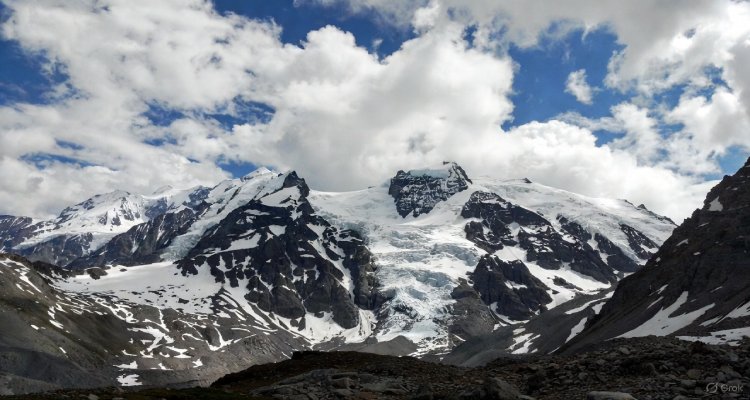
International Mountain Day highlights the urgent need to protect glaciers—lifelines for water, food, energy, and billions who rely on mountain ecosystems.
Introduction: A Planet at the Peak of Crisis
At sunrise in the world’s great mountain ranges—from the Himalayas to the Andes—glaciers that once seemed eternal are shrinking at record speed. Their retreat is no longer a distant environmental concern; it is a global emergency. On International Mountain Day, observed annually on December 11, the United Nations calls attention to the fragile ecosystems that sustain nearly 2 billion people, urging the world to act before these icy reservoirs disappear forever.
The Global Significance of International Mountain Day
Proclaimed by the United Nations, International Mountain Day is dedicated to raising awareness about the essential role mountains play in sustaining life. These towering landscapes shape weather patterns, harbor biodiversity, and most critically, serve as natural water towers for communities worldwide.
The Food and Agriculture Organization (FAO) leads the global observance, emphasizing both the opportunities and constraints tied to mountain development. This year’s theme—
“Glaciers matter for water, food and livelihoods in mountains and beyond”
—underscores the escalating climate threat facing the world’s ice reserves.
Mountains cover only about a quarter of the Earth’s land surface, but they hold around 70% of the planet’s freshwater locked in glaciers and ice sheets. As temperatures rise, these vital freshwater stores are melting faster than ever recorded in modern history.
Glaciers: Lifelines Under Threat
Glaciers are more than frozen landscapes. They regulate rivers, support agriculture, fuel hydropower, sustain cultural traditions, and maintain the health of ecosystems far beyond mountain regions.
But today, they’re disappearing at an alarming pace:
- Five of the past six years have recorded the fastest glacier retreat in history.
- About 600 glaciers have already vanished.
- Over 15 million people are extremely vulnerable to glacier lake flood risks.
Their accelerated melt is both an environmental crisis and a humanitarian one. Communities downstream are already experiencing destabilized water supplies, unpredictable river flows, and heightened disaster risks.
The consequences extend globally—affecting food production, clean energy output, transportation networks, and billions of livelihoods.
A Year of Urgency: The International Year of Glaciers’ Preservation
Recognizing the scale of the crisis, the UN General Assembly has declared 2025 as the International Year of Glaciers’ Preservation. The initiative aims to:
- Strengthen scientific research
- Promote global collaboration
- Encourage long-term policies to protect cryospheric systems
- Raise public awareness about glaciers’ essential role in the water cycle and climate regulation
This year-long observance serves as both a warning and a roadmap—pushing nations to take measurable steps before irreversible glacier loss occurs.
Mountains at the Front Lines of Climate Change
The impacts of glacier retreat ripple across multiple sectors:
1. Agriculture
Farmers relying on glacier-fed rivers face fluctuating water availability. Seasonal flows are becoming unpredictable, threatening crop yields and food security.
2. Hydropower
Many countries depend on mountain-fed rivers for renewable energy. Reduced ice reserves can diminish hydropower capacity, raising energy costs and contributing to instability.
3. Tourism
Mountain tourism—an economic lifeline for local communities—is strained by disappearing snow lines and shrinking glaciers. Trekking routes, ski resorts, and cultural sites are at risk.
4. Transportation
Glacial melt affects mountain roads, bridges, and tunnels. Thawing permafrost destabilizes infrastructure and increases maintenance costs.
5. Indigenous Cultures
For many Indigenous communities, glaciers hold spiritual significance. Their disappearance represents a profound cultural and emotional loss—an erosion of identity.
Expert Insight: The Alarming Pace of Ice Loss
Climate scientists warn that the rapid decline of glaciers is one of the clearest indicators of a warming planet. Dr. Laila Moretti, a glaciologist with the International Centre for Mountain Research, explains:
“Glaciers respond directly to rising temperatures. Their disappearance is a visible, measurable warning of the climate crisis—and it tells us we’re running out of time.”
Environmental policy analysts echo this concern, noting that glacier melt impacts regions far removed from mountain ranges. Rivers that originate in mountains feed megacities, support industries, and sustain biodiversity. The collapse of these systems could reshape global economic and political landscapes.
Growing Risks: Floods, Landslides, and Erosion
The rapid melting of glaciers comes with life-threatening consequences:
- Glacial lake outburst floods (GLOFs)
- Landslides triggered by unstable ice and rock
- Enhanced erosion along river systems
- Damage to critical infrastructure including roads, dams, and settlements
These hazards are increasing in frequency and intensity. Himalayan nations, Andean communities, and Alpine regions are now investing heavily in monitoring systems and early-warning tools. But the scale of the threat continues to outpace the speed of global action.
What Happens Next? A Call for Global Action
With glaciers vanishing faster than predicted, experts say the next decade will determine whether some of the world’s most iconic ice formations can be saved.
Key solutions include:
- Reducing global emissions to limit temperature rise
- Investing in glacier and climate research
- Strengthening community resilience in high-risk mountain regions
- Promoting sustainable mountain development
- Protecting Indigenous knowledge and cultural practices
Countries participating in the International Year of Glaciers’ Preservation are expected to announce new commitments, including funding for research stations, adaptation projects, and climate education programs.
Conclusion: A Narrow Window of Hope
International Mountain Day serves as a reminder that the fate of glaciers is tied to the fate of humanity. Their retreat is a crisis unfolding in real time—one that threatens water security, biodiversity, cultural identity, and global stability.
But it is not too late. If nations act decisively, invest in scientific innovation, and prioritize emissions reductions, the world’s remaining glaciers can still be protected.
Mountains are more than majestic landscapes—they are life-support systems. Whether they continue to sustain future generations depends on the choices we make today.
Disclaimer :This article is for informational and educational purposes only. It does not substitute for professional scientific or environmental advice.