










Inside the Secret Network Your Phone Contacts Without Permission
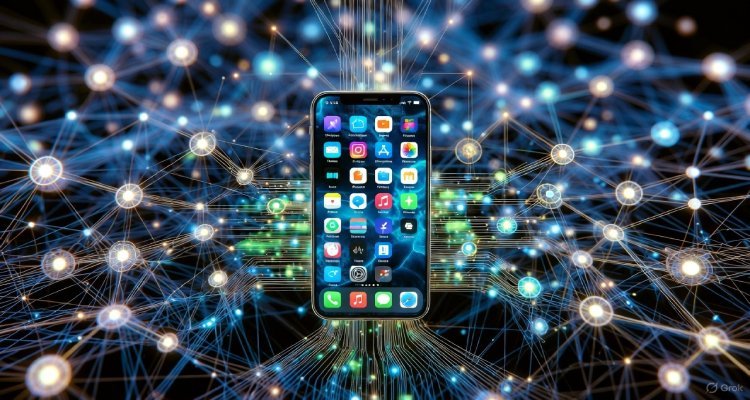
Your smartphone may be quietly connecting to hidden digital networks without your consent. Inside how apps, data brokers, and trackers access your phone—and why it matters.
Introduction: A Silent Connection You Never Approved
Every day, millions of people unlock their smartphones believing they are in control—of their apps, their data, and their privacy. But behind the glowing screens and familiar icons, a largely invisible system is at work. Without a tap, click, or explicit approval, phones can quietly connect to digital networks that track behavior, exchange data, and build detailed profiles of users.
This hidden ecosystem doesn’t announce itself with notifications or warnings. Instead, it operates in the background—embedded in apps, software updates, and even system-level services. The result is a growing concern among privacy experts: smartphones may be communicating with networks users never knowingly agreed to join.
Context & Background: How Smartphones Became Data Gateways
Smartphones were originally designed as personal communication tools. Over time, they evolved into powerful data hubs, capable of tracking location, habits, preferences, and social connections. This transformation coincided with the rise of the digital advertising economy, where personal data became one of the most valuable commodities online.
To support free apps and services, developers increasingly relied on third-party software development kits (SDKs), analytics tools, and advertising frameworks. While these tools help apps function and generate revenue, they also create pathways for data to move beyond the user’s direct control.
Privacy policies—often long, technical, and rarely read—became the legal foundation for this system. In many cases, broad consent language allowed apps to share data with “partners” or “affiliates,” forming vast, interconnected networks that users never see.
Main Developments: What’s Really Happening Behind the Screen
At the heart of the issue is how smartphones interact with external servers and data exchanges. When an app is installed, it may immediately begin communicating with multiple third-party networks—sending device identifiers, usage patterns, and metadata.
These connections can happen even when the app is not actively in use. Background processes, push notifications, and embedded trackers allow constant communication. In some cases, phones transmit anonymized data; in others, the information can be reassembled to identify individuals with surprising accuracy.
What makes this system controversial is not just the data collection—but the lack of clear, informed permission. Users may approve basic app access, such as location or contacts, without realizing that the data may travel far beyond the app itself.
This matters because data rarely stays in one place. It can be sold, shared, or analyzed across multiple platforms, creating detailed behavioral profiles used for targeted advertising, political messaging, or algorithmic decision-making.
Expert Insight & Public Reaction: Growing Alarm Over Digital Consent
Privacy researchers and digital rights advocates have increasingly raised alarms about what they describe as “consent fatigue.” According to experts, users are overwhelmed by constant permission requests and legal jargon, making meaningful consent nearly impossible.
Cybersecurity analysts warn that the issue isn’t limited to advertising. The same hidden networks can create vulnerabilities, increasing the risk of data leaks or unauthorized access. Once data enters the broader digital ecosystem, controlling its movement becomes nearly impossible.
Public awareness is also shifting. High-profile data breaches and revelations about mass data collection have sparked renewed scrutiny of tech companies. Many users express frustration that opting out often requires navigating complex settings—or sacrificing app functionality altogether.
Impact & Implications: Who Is Affected and What Comes Next
The implications of silent phone-to-network connections are far-reaching. Ordinary users face increased risks of surveillance, profiling, and loss of digital autonomy. Businesses and governments grapple with questions of regulation, accountability, and transparency.
Children and vulnerable populations are particularly affected, as their data can be collected before they fully understand the consequences. Meanwhile, lawmakers worldwide are struggling to keep pace with rapidly evolving technologies.
Some regions have introduced stricter data protection laws, pushing companies to offer clearer disclosures and opt-out mechanisms. However, enforcement remains uneven, and global data flows often bypass national boundaries.
Looking ahead, experts suggest that real change will require a combination of stronger regulation, improved digital literacy, and technology designed with privacy as a default—not an afterthought.
Conclusion: Reclaiming Control in an Invisible System
The secret networks connecting to smartphones without explicit permission reveal a deeper truth about modern technology: convenience often comes at the cost of transparency. While smartphones empower users in countless ways, they also expose them to unseen systems that operate quietly in the background.
Understanding these hidden connections is the first step toward reclaiming control. As public awareness grows and pressure mounts on tech companies, the future of digital privacy may depend on whether consent becomes truly informed—or remains buried in the fine print.
Disclaimer :This article is for informational purposes only. It does not provide legal or technical advice. Readers are encouraged to review privacy policies, device settings, and consult qualified professionals for personalized guidance on digital privacy and security.