






Indian Stocks Set for Weak Open Amid Oil Surge

Markets Brace for Pressure as Global Risks Rise
Indian equities are expected to start Friday’s session on a cautious note, reflecting a mix of global market weakness and persistent geopolitical uncertainty. Elevated crude oil prices and fading optimism over a resolution to tensions involving Iran are weighing heavily on investor sentiment.
After a holiday pause on Thursday, traders are returning to markets that are increasingly influenced by external shocks, particularly energy costs and foreign capital flows.
Global Cues Signal Weak Opening
Early indicators suggest a subdued start for domestic benchmarks. GIFT Nifty futures were trading lower in early hours, pointing to a likely dip from the previous close of the Nifty 50.
The broader global backdrop offers little comfort. Asian markets declined sharply, while U.S. equities extended losses, with the Nasdaq Composite entering correction territory. Meanwhile, Brent crude prices hovered near $106 per barrel, levels that are particularly concerning for oil-import-dependent economies like India.
This alignment of weak global equities and rising energy costs has historically created pressure on emerging markets, and India appears to be no exception.
Iran Conflict Dampens Market Confidence
Investor concerns have been amplified by ongoing tensions involving Iran. While U.S. President Donald Trump indicated that diplomatic talks were progressing and suggested a temporary pause in attacks on Iran’s energy infrastructure, the response from Tehran has been less encouraging.
An Iranian official reportedly described a U.S. proposal aimed at resolving the conflict as imbalanced, signaling that negotiations remain fragile.
The lack of clarity on a potential resolution has kept oil markets volatile, feeding into inflation concerns and creating uncertainty for equity investors.
Benchmark Indices Under Sustained Pressure
The impact of these global and geopolitical factors has already been visible in Indian markets. Both the Nifty 50 and the Sensex have declined by roughly 7.4% since the onset of the U.S.-Israeli conflict involving Iran.
Rising crude prices have raised fears of higher import bills and widening trade deficits. At the same time, concerns about energy supply disruptions have added to the uncertainty surrounding economic growth.
This combination has triggered sustained selling by foreign investors, further weakening market momentum.
Inflation Outlook Faces Fresh Risks
India’s central government recently reiterated its commitment to maintaining retail inflation at 4%, within a tolerance band of 2% to 6%.
For now, inflation appears under control. Consumer price inflation stood at 2.75% in February, offering some relief to policymakers.
However, economists warn that the recent surge in global oil prices could quickly alter the outlook. Higher fuel costs tend to ripple through the economy, increasing transportation expenses and pushing up the prices of essential goods.
As a result, inflation is expected to move above the 4% mark in the upcoming financial year starting in April, potentially complicating monetary policy decisions.
Foreign Investors Continue to Exit
Foreign portfolio investors (FPIs) have been steadily pulling money out of Indian equities, adding to market volatility.
So far in March, overseas investors have offloaded stocks worth over $12 billion, putting the market on track for one of its largest monthly outflows on record.
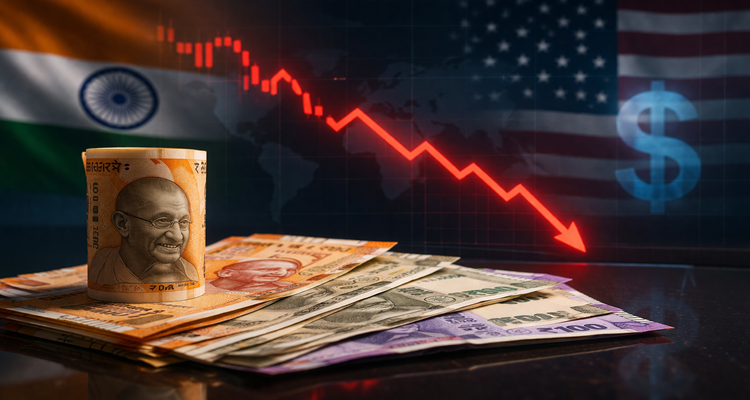
This sustained selling pressure has also dragged the Indian rupee to historic lows, reflecting broader concerns about capital flows and external stability.
Market participants often view FPI activity as a key indicator of global confidence in emerging markets, making these outflows particularly significant.
HDFC Bank in Spotlight Amid Governance Scrutiny
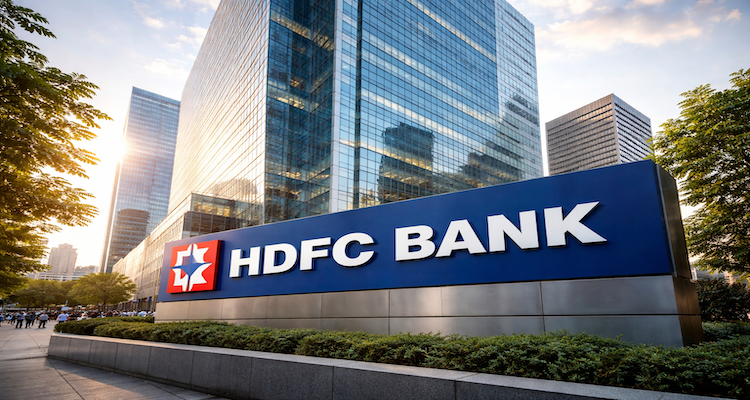
Among individual stocks, HDFC Bank is likely to remain in focus following recent developments involving its leadership.
According to a Reuters report, India’s market regulator has initiated a preliminary review of the resignation of part-time chairman Atanu Chakraborty. The review aims to assess whether there were any violations of corporate governance norms related to directors of listed companies.
Chakraborty stepped down abruptly on March 18, triggering concerns among investors. Reports suggest the resignation may have been linked to internal disagreements with the bank’s CEO, Sashidhar Jagdishan.
The stock initially reacted sharply, falling nearly 12% over three sessions. However, it has since recovered partially, gaining over 5% in the last two trading days.
Key Stocks to Watch
Several corporate developments are also likely to influence trading activity:
- Lupin has received tentative approval from the U.S. drug regulator for a treatment targeting sleep-related disorders, including cataplexy.
- Aurobindo Pharma announced a marketing and distribution partnership with Germany-based STADA Arzneimittel AG, signaling expansion in international markets.
- Life Insurance Corporation of India (LIC) faces a significant tax demand exceeding ₹61 billion, along with additional interest liabilities, which could impact investor sentiment toward the insurer.
Expert View: Oil and Flows Hold the Key
Market analysts believe that the near-term trajectory of Indian equities will largely depend on two factors, crude oil prices and foreign investment flows.
“India remains particularly sensitive to oil shocks,” said a Mumbai-based market strategist. “If crude sustains above current levels, it could impact inflation, fiscal balance, and corporate margins simultaneously.”
Additionally, continued FPI outflows could limit any meaningful recovery in equities, especially in sectors heavily dependent on global capital.
What Lies Ahead for Indian Markets
Looking forward, investors are likely to remain cautious until there is greater clarity on geopolitical developments and oil price stability.
Domestic factors such as inflation trends, central bank policy signals, and corporate earnings will also play a crucial role. However, in the immediate term, global cues are expected to dominate market direction.
The coming weeks may test the resilience of Indian markets as they navigate a complex mix of external risks and internal economic pressures.
Conclusion: A Fragile Market Balancing Global and Domestic Risks
Indian equities are entering a phase marked by heightened uncertainty. While domestic fundamentals remain relatively stable, external shocks, particularly from geopolitical tensions and rising oil prices, are creating significant headwinds.
For investors, the current environment calls for caution, close monitoring of global developments, and a focus on fundamentally strong stocks.
Until geopolitical tensions ease and capital flows stabilize, markets are likely to remain volatile, reflecting the delicate balance between opportunity and risk.
The information presented in this article is based on publicly available sources, reports, and factual material available at the time of publication. While efforts are made to ensure accuracy, details may change as new information emerges. The content is provided for general informational purposes only, and readers are advised to verify facts independently where necessary.