









India to Host 2nd WHO Global Summit on Traditional Medicine in December 2025
India will host the 2nd WHO Global Summit on Traditional Medicine in New Delhi, spotlighting science, innovation, and global collaboration in holistic health.
Introduction: A Global Spotlight Returns to India
When the world’s leading health experts gather in New Delhi this December, the conversations will stretch far beyond conventional medicine. The 2nd WHO Global Summit on Traditional Medicine, co-hosted by India and the World Health Organization (WHO) from December 17 to 19, 2025, aims to redefine how ancient healing systems meet modern scientific innovation. With rising global interest in holistic wellness, the summit arrives at a crucial moment for countries reimagining the future of healthcare.
Context & Background: Building on a Transformative Beginning
Traditional medicine has deep roots across cultures — from Ayurveda and acupuncture to herbal therapies and indigenous practices. According to WHO estimates, about 80% of the global population relies on some form of traditional or complementary medicine for primary healthcare. Yet until 2023, these systems had limited visibility on the global health agenda.
That changed when India hosted the inaugural WHO Global Summit on Traditional Medicine in Gandhinagar. The event brought technological insights, data-driven frameworks, and new strategic direction to the field. It laid the groundwork for integrating traditional medicine more prominently within public health systems.
The 2025 Summit in New Delhi builds on that momentum — this time with a deeper focus on scientific innovation, regulation, biodiversity, Indigenous knowledge, and the transformative role of AI.
Main Developments: What the 2025 Summit Will Deliver
A Global Gathering for Health Innovation
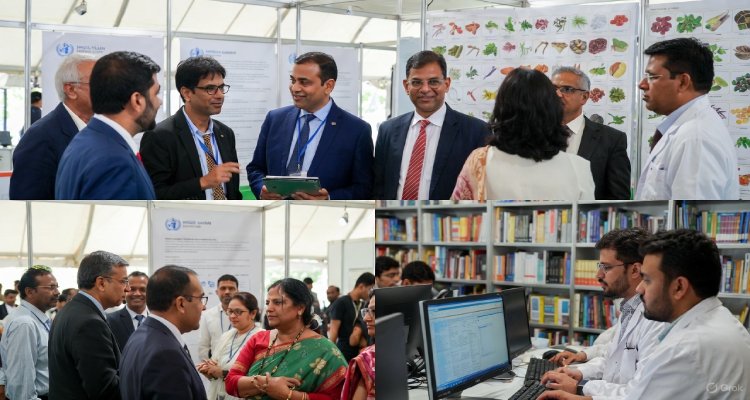
The summit will unite policymakers, scientists, industry leaders, and traditional medicine practitioners from across continents. Over three days, participants will examine the future of traditional medicine, its evidence base, and its growing relevance in global healthcare.
A Strong, Science-Driven Theme
The 2025 theme —
“Restoring balance: The science and practice of health and well-being”
— reinforces the summit’s commitment to grounding ancient wisdom in contemporary scientific validation.
Key Focus Areas
1. Innovation in Traditional Medicine
Sessions will explore how new technologies, scientific tools, and clinical research can enhance the credibility and integration of traditional practices.
2. Protecting Biodiversity
With medicinal plants under pressure from habitat loss, climate change, and overharvesting, biodiversity protection will be a core discussion.
3. Intellectual Property Rights (IPR)
As global demand for herbal and indigenous formulations grows, ensuring ethical, fair, and transparent IPR frameworks will be a priority.
4. AI, Big Data & Personalised Healing
Artificial intelligence is emerging as a potential game-changer. Frontier technologies — including machine learning, predictive analytics, and data integration — can help build personalised wellness models grounded in traditional knowledge systems.
5. New Global Initiatives
WHO is launching several first-of-its-kind initiatives, including:
- A global traditional medicine library with 1.6 million+ scientific records
- A traditional medicine data network
- A Framework on Indigenous Knowledge, Biodiversity, and Health
These platforms aim to create evidence-based pathways for further research and policymaking.
India’s Special Focus: The Ashwagandha Showcase
The Ministry of AYUSH will host a dedicated side event on Ashwagandha, one of India’s most researched medicinal plants. The session will highlight its traditional significance, emerging scientific findings, and rising global acceptance in stress management, immunity, and holistic health.
Expert Insights & Public Reaction
Health experts say the summit comes at a pivotal time for global healthcare. According to integrative medicine researchers, the world is moving toward models of care that balance prevention, mental wellbeing, and personalised health.
“The global shift toward holistic healthcare isn’t a trend — it’s a recognition that modern medicine and traditional systems can work together for better outcomes,” notes a senior public health expert involved in the preparations.
Many practitioners and wellness industry leaders believe the summit could help bridge long-standing gaps between traditional knowledge and scientific validation. Meanwhile, global consumers — increasingly drawn to herbal remedies and natural therapies — see this as a step toward safer, more regulated traditional medicine products.
Impact & Implications: Why This Summit Matters
For Global Healthcare Systems
The summit may influence how countries integrate traditional medicine into public healthcare programs, especially for:
- chronic lifestyle diseases
- elderly care
- mental health and stress management
- preventive wellness
For Research & Innovation
With WHO’s new digital library and data networks, researchers gain unprecedented access to global knowledge on traditional medicine — accelerating discoveries and validation.
For Indigenous Communities
Clearer IPR frameworks can help protect the heritage, rights, and contributions of Indigenous groups whose knowledge forms the backbone of many traditional practices.
For India
Hosting the summit strengthens India’s position as a global leader in traditional medicine, Ayurveda research, and health innovation — further boosting AYUSH-based industries.
Conclusion: A New Chapter for Ancient Wisdom
As the world grapples with rising chronic illnesses, mental health challenges, and the limitations of standard medical systems, traditional medicine is experiencing a renewed surge of relevance. The 2nd WHO Global Summit on Traditional Medicine marks more than just an international gathering — it represents a forward-looking shift in global health philosophy.
By combining ancient knowledge with modern science, technology, and global collaboration, the summit sets the stage for a future where traditional medicine becomes a fully respected and evidence-backed pillar of healthcare.
Disclaimer :This article is for informational purposes only. It is based solely on the provided headline and supplied details. It does not offer medical advice or endorse specific treatments.