










High Seas Treaty Wins Praise, Triggers Global Action Push
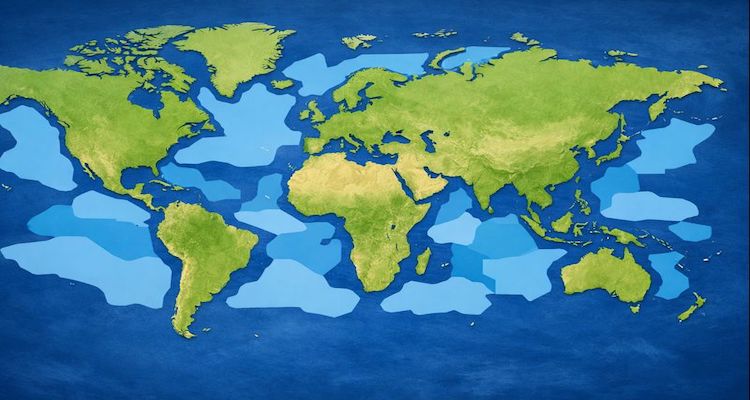
A landmark agreement aimed at protecting the world’s oceans beyond national borders is drawing rare, broad-based applause from governments and environmental groups alike. The newly adopted High Seas Treaty is being hailed as a turning point for marine conservation and a test of whether global cooperation can move from paper to practice.
Covering nearly half the planet, the high seas have long been governed by fragmented rules. Supporters say this treaty could finally change that, if nations act swiftly and decisively.
Why the High Seas Matter
The high seas areas of the ocean beyond any single country’s jurisdiction—make up about two-thirds of the world’s oceans. They play a crucial role in regulating the climate, supporting fisheries, and sustaining marine biodiversity.
Yet for decades, these waters have been vulnerable to overfishing, pollution, deep-sea mining, and unchecked shipping activity. Existing international laws focused mainly on navigation and resource extraction, leaving conservation efforts weak and uncoordinated.
Scientists have repeatedly warned that without stronger protections, ecosystems in these areas could suffer irreversible damage, with ripple effects for coastal communities and global food security.
A Treaty Years in the Making
The High Seas Treaty, formally known as the agreement on Biodiversity Beyond National Jurisdiction (BBNJ), is the result of nearly two decades of negotiations under the United Nations framework.
Talks accelerated in recent years as evidence mounted of declining fish stocks, coral degradation, and growing threats from climate change. After multiple negotiation rounds and late-night sessions, UN member states finally reached consensus.
The treaty establishes a legal framework for creating marine protected areas in international waters, conducting environmental impact assessments for high-risk activities, and sharing marine genetic resources more equitably.
ALSO READ: Four Decades of Data Show Amazon Forests Changing
Governments Applaud a Multilateral Breakthrough
Several governments described the agreement as a rare victory for multilateral diplomacy at a time of growing geopolitical tension.
European Union officials called the treaty “a historic step for ocean governance,” emphasizing its role in meeting global biodiversity targets, including the goal of protecting 30% of the world’s oceans by 2030.
Small island nations, often on the front lines of ocean degradation and climate impacts, welcomed the treaty as overdue recognition of the ocean’s shared value. Representatives from Pacific and Caribbean states stressed that healthy high seas are essential for coastal resilience and livelihoods.
The United States and other major maritime nations also expressed support, noting that clearer rules could provide certainty for industries while safeguarding ecosystems.
Environmental Groups Celebrate and Push Harder
Environmental organizations were quick to celebrate the agreement but equally quick to stress that signatures alone will not save the oceans.
Greenpeace described the treaty as “a lifeline for marine biodiversity,” while warning that delays in ratification could undermine its promise. The group called on governments to move quickly to translate commitments into enforceable protections.
The World Wide Fund for Nature (WWF) praised the treaty’s provisions on marine protected areas, calling them “game-changing” if properly implemented. WWF experts emphasized that effective monitoring and enforcement will be critical to prevent illegal fishing and destructive practices.
Ocean conservation advocates also highlighted the treaty’s potential to give scientists a stronger voice in decision-making, ensuring that protection efforts are guided by evidence rather than politics.
ALSO READ: Rising Peaks, Rising Heat: Why Mountains Are Warming Faster
What the Treaty Actually Does
At its core, the High Seas Treaty fills major gaps in ocean governance.
It allows countries to collectively designate marine protected areas in international waters, something previously impossible under existing law. These zones can restrict or ban activities that threaten fragile ecosystems.
The agreement also requires environmental impact assessments before potentially harmful projects such as seabed mining can proceed. This introduces a precautionary principle that conservationists have long demanded.
Another key element is the sharing of benefits from marine genetic resources, such as compounds used in pharmaceuticals. Developing nations have argued for years that these resources should not be monopolized by a few wealthy countries or corporations.
Challenges Ahead: From Agreement to Action
Despite the celebrations, significant hurdles remain.
The treaty will only enter into force after ratification by a required number of countries, a process that could take years. Past environmental agreements have sometimes stalled at this stage due to domestic political resistance or competing economic interests.
Enforcement is another major concern. Monitoring vast, remote ocean areas is expensive and technically complex. Without adequate funding and cooperation, illegal activities could continue unchecked.
Some industry groups have also raised questions about how new regulations might affect shipping, fishing, and emerging sectors like deep-sea mining. Balancing economic use with conservation will require careful, transparent policymaking.
ALSO READ: UN Report Warns Nature Funding Lags Harmful Spending
Global Implications for Climate and Biodiversity
If fully implemented, the High Seas Treaty could have far-reaching impacts beyond ocean conservation.
Healthy marine ecosystems absorb large amounts of carbon dioxide, helping to slow climate change. Protecting biodiversity also strengthens food webs that support fisheries relied on by millions of people worldwide.
The treaty is increasingly seen as a cornerstone of broader global efforts to address interconnected crises climate change, biodiversity loss, and pollution through coordinated international action.
Experts say its success could influence future negotiations on environmental governance in other global commons, from the atmosphere to outer space.
A Moment of Opportunity
For now, the mood around the High Seas Treaty is cautiously optimistic.
Governments have demonstrated that consensus is possible, even on complex, high-stakes issues. Environmental groups have gained a powerful new tool but only if they continue to push for accountability.
As one marine policy expert noted during the UN talks, “This agreement is not the finish line. It’s the starting gun.”
Whether the world responds with urgency or delay may determine the fate of vast stretches of the ocean and the life they support for generations to come.
ALSO READ: UN Report Warns Nature Funding Lags Harmful Spending
This content is published for informational or entertainment purposes. Facts, opinions, or references may evolve over time, and readers are encouraged to verify details from reliable sources.