










Govt Plans to Open 25,000 Jan Aushadhi Kendras by March 2027
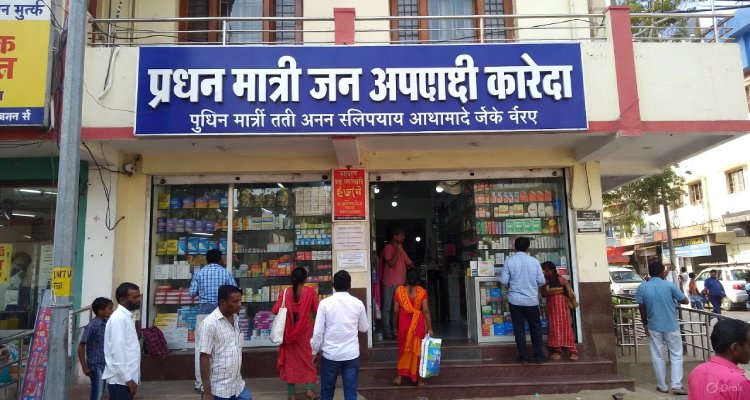
India plans to expand Jan Aushadhi Kendras to 25,000 by March 2027, boosting access to affordable, quality generic medicines nationwide.
Introduction: A Major Push to Make Medicines Affordable
For millions of Indian households, the cost of medicines remains one of the biggest contributors to out-of-pocket healthcare expenses. In a country where long-term treatment for chronic illnesses often strains family budgets, access to affordable drugs can determine whether patients continue care or drop out altogether. Against this backdrop, the Union government’s plan to expand the Jan Aushadhi network to 25,000 Kendras by March 2027 signals a renewed and ambitious push to make quality healthcare more accessible across India.
The announcement, reaffirmed in Parliament, underscores the government’s intent to scale up one of its most impactful public health initiatives—providing low-cost, high-quality generic medicines through a nationwide retail network.
Context & Background: What Is the Jan Aushadhi Scheme?
The Jan Aushadhi initiative was first launched in 2008 with a clear objective: to make quality medicines available at affordable prices by promoting the use of generic drugs. Over time, the programme evolved and was renamed the Pradhan Mantri Bhartiya Janaushadhi Pariyojana (PMBJP), reflecting its expanded scope and national importance.
Under PMBJP, generic medicines are sold through dedicated outlets known as Pradhan Mantri Janaushadhi Kendras, located across districts and towns in India. These Kendras aim to counter a long-standing perception among patients that lower-priced medicines are less effective or inferior in quality.
The scheme is implemented by the Pharmaceuticals & Medical Devices Bureau of India (PMBI), which functions under the administrative control of the Department of Pharmaceuticals, Ministry of Chemicals and Fertilisers. Over the years, PMBJP has steadily expanded its footprint, both in terms of physical outlets and the range of medicines offered.
Main Developments: Expanding to 25,000 Kendras Nationwide
Responding to a query in the Lok Sabha on December 12, Union Minister of State for Chemicals and Fertilisers Anupriya Patel revealed that 17,610 Jan Aushadhi Kendras are currently operational across the country. To further strengthen the scheme’s reach, the government has now set a clear target of opening 25,000 Kendras by March 2027.
This expansion represents more than just an increase in numbers. It reflects a strategic effort to:
- Improve access to affordable medicines in underserved and rural areas
- Reduce dependence on high-cost branded drugs
- Lower overall household healthcare expenditure
A key strength of the PMBJP model lies in its pricing. According to official data, medicines sold at Jan Aushadhi Kendras are 50 to 80 percent cheaper than branded alternatives available in the open market. This price difference can be life-changing for patients requiring long-term medication for conditions such as diabetes, heart disease, or cancer.
Equally significant is the scheme’s emphasis on quality. Medicines are sourced exclusively from WHO–Good Manufacturing Practices (WHO-GMP) certified manufacturers, and every batch undergoes rigorous testing at NABL-accredited laboratories. This dual focus on affordability and quality has helped the programme gain credibility among both patients and healthcare providers.
Product Range and Financial Support Under PMBJP
Over the years, the Jan Aushadhi product basket has expanded substantially. As of now, the scheme covers:
- 2,047 medicines
- 300 surgical and medical equipment items
These products span major therapeutic categories, including cardiovascular drugs, anti-diabetics, anti-cancer medicines, anti-infectives, anti-allergic treatments, gastrointestinal medicines, and nutraceuticals. The government has emphasized that expanding this product range is a continuous process, guided by stakeholder feedback and market demand.
To encourage participation and entrepreneurship, the government also provides financial assistance of up to ₹5 lakh per Jan Aushadhi Kendra under PMBJP. This incentive has made the scheme attractive not only as a public service initiative but also as a livelihood opportunity for individual entrepreneurs, pharmacists, and self-help groups.
Expert Insight & Public Sentiment: A Step Toward Equitable Healthcare
Public health experts have consistently highlighted the importance of generic medicines in reducing healthcare inequality. Rising drug prices often force patients to skip doses or abandon treatment altogether, particularly in low- and middle-income households.
Health policy analysts view the expansion to 25,000 Kendras as a practical intervention. By increasing physical access points, the government can ensure that affordable medicines are not limited to urban centers but reach smaller towns and rural populations where branded pharmacies may be scarce or unaffordable.
At the grassroots level, many beneficiaries see Jan Aushadhi Kendras as a quiet but meaningful reform. Patients managing chronic conditions often report substantial monthly savings, while pharmacists involved in the scheme note growing awareness and trust among customers regarding generic medicines.
Impact & Implications: Who Benefits and What Comes Next?
The planned expansion of PMBJP is expected to have wide-ranging implications:
- Patients stand to benefit from reduced out-of-pocket expenses and improved treatment continuity.
- Entrepreneurs and pharmacists gain employment and business opportunities through Kendra ownership.
- The healthcare system benefits from a stronger emphasis on cost-effective treatment and rational drug use.
By March 2027, if the target is met, Jan Aushadhi Kendras could become one of the largest government-supported pharmaceutical retail networks in the world. The challenge ahead lies in ensuring consistent supply, maintaining quality standards, and continuing public education to dispel lingering doubts about generic medicines.
Conclusion: Strengthening India’s Affordable Healthcare Vision
The government’s plan to expand the Jan Aushadhi network to 25,000 Kendras by March 2027 reinforces its broader vision of affordable and inclusive healthcare. By combining lower prices, strict quality control, and nationwide reach, PMBJP addresses one of India’s most persistent healthcare challenges—the high cost of medicines.
As the scheme continues to evolve, its success will ultimately be measured not just by the number of outlets opened, but by how effectively it reduces financial stress for patients and builds long-term trust in generic medicines. If implemented as envisioned, the expanded Jan Aushadhi network could play a pivotal role in reshaping access to essential drugs across the country.
Disclaimer :This article is based solely on official information and parliamentary disclosures provided in the input. It does not offer medical or financial advice and is intended for informational purposes only.