










Google to Pay $135M to Settle Android Data Privacy Lawsuit
Why This Settlement Matters
A major legal battle over smartphone privacy is nearing its end, with Google agreeing to a $135 million settlement that could reshape how Android handles user data. The case highlights growing scrutiny of how tech giants collect and use personal information often behind the scenes.
For millions of Android users, the settlement underscores a broader debate: how much control do consumers truly have over their mobile data, and how transparent are tech companies about its use?
Background: The Android Data Collection Dispute
The lawsuit was filed on behalf of smartphone users who accused Google of improperly collecting cellular data from Android devices without explicit permission. According to the complaint, this data transfer occurred even when users believed they had limited Google’s access.
The proposed settlement was filed late Tuesday in federal court in San Jose, California, and still requires approval from a judge. Google, a unit of Alphabet Inc., denied any wrongdoing while agreeing to resolve the claims.
The class action covers users of Android-powered smartphones dating back to November 12, 2017.
What Users Alleged
Plaintiffs argued that Google collected cellular data unnecessarily, forcing users to rely on data plans they paid for through mobile carriers. This allegedly continued even after users closed Google apps, turned off location services, or locked their devices.
According to court filings, the collected data was used to improve Google’s products and support targeted advertising efforts. Plaintiffs characterized this practice as “conversion,” a legal claim involving the unauthorized control or use of another party’s property.
In essence, users claimed Google benefited from their cellular data without consent, transparency, or compensation.
Key Terms of the Proposed Settlement
Under the agreement, Google will pay $135 million to resolve the claims. Individual payouts to class members will be capped at $100 per person, depending on how many users file valid claims.
In addition to the monetary settlement, Google has agreed to make several changes to how Android handles data transfers:
- The company will seek user consent before transferring certain data during phone setup
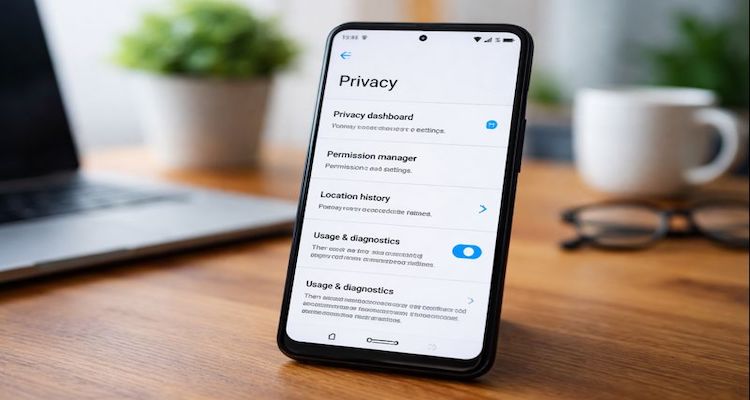
- Android settings will make it easier for users to stop these data transfers through clearer toggles
- Google will disclose the data transfers more clearly in Google Play’s terms of service
These changes are intended to give users more transparency and control over how their cellular data is used.
Legal Perspectives on the Payout
Plaintiffs’ attorney Glen Summers said in a court filing that he believes the $135 million settlement is the largest ever reached in a case involving conversion claims.
While Google maintains that it did nothing wrong, the size of the payout signals how seriously courts and consumers are treating data privacy disputes involving major technology firms.
A trial had previously been scheduled for August 5, but the settlement avoids what could have been a high-profile courtroom showdown.
Google’s Response and Next Steps
Google did not issue an immediate public comment following the filing. As with many large-scale settlements, agreeing to pay does not mean admitting fault.
If approved, plaintiffs’ lawyers may seek up to $39.8 million approximately 29.5% of the settlement fund for legal fees and related costs, according to court documents.
The final approval process will determine how and when eligible Android users can file claims and receive compensation.
Broader Impact on User Privacy
The case arrives amid mounting global pressure on technology companies to be more transparent about data practices. Regulators and consumers alike are demanding clearer consent mechanisms and stronger safeguards around personal information.
For Android users, the settlement may lead to more straightforward privacy controls and fewer hidden data transfers. For Google and other tech companies, it reinforces the legal and financial risks of opaque data collection practices.
While the settlement does not fundamentally change Google’s advertising-driven business model, it does signal that courts are increasingly receptive to user privacy claims tied to everyday smartphone use.
What This Means for the Tech Industry
Beyond Google, the case could influence how other smartphone platforms and app developers approach background data usage. Clearer disclosures, simplified opt-out tools, and upfront consent may become standard expectations rather than optional features.
The settlement also highlights how class action lawsuits remain a powerful tool for consumers seeking accountability from major corporations in the digital age.
Looking Ahead
If approved by the court, the settlement will close a years-long dispute while setting new expectations for transparency on Android devices. For users, it serves as a reminder to regularly review privacy settings—and for companies, a warning that silent data collection can carry real consequences.
As smartphones continue to integrate deeper into daily life, the balance between innovation, advertising, and user trust is likely to face even greater scrutiny.
(With inputs from Reuters.)
ALSO READ: The Strange New AI Glitch Spreading Across the Internet
The information presented in this article is based on publicly available sources, reports, and factual material available at the time of publication. While efforts are made to ensure accuracy, details may change as new information emerges. The content is provided for general informational purposes only, and readers are advised to verify facts independently where necessary.