



Five Eerie “Time Traveler” Predictions That Shadow 2026
Stories about time travelers have always fascinated the public, blending fear, hope, and curiosity about what lies ahead. As 2026 approaches, a new wave of so-called “time traveler prophecies” is gaining traction online, less for their accuracy, and more for what they reveal about today’s anxieties.
Rather than treating these claims as fact, this article examines why five predictions tied to 2026 feel unsettling, how they connect to real-world trends, and why experts urge skepticism.
The Rise of Modern Time Traveler Prophecies
Claims of visitors from the future are not new. From 19th-century spiritualists to Cold War-era UFO lore, each generation has produced its own version of prophetic warnings.
What’s changed is the medium.
Today’s “time travelers” appear mostly on social media platforms, message boards, and video-sharing apps. Their predictions are often vague, emotionally charged, and timed around moments of global uncertainty, pandemics, climate change, artificial intelligence, and geopolitical tension.
According to digital culture researchers, these narratives thrive because they offer a sense of control in unpredictable times.
“Prophecy stories tend to spike when societies feel overwhelmed,” says Dr. Amanda Keller, a media sociologist at Northwestern University. “They’re less about the future and more about present fears.”
Prediction 1: A Global Digital Disruption
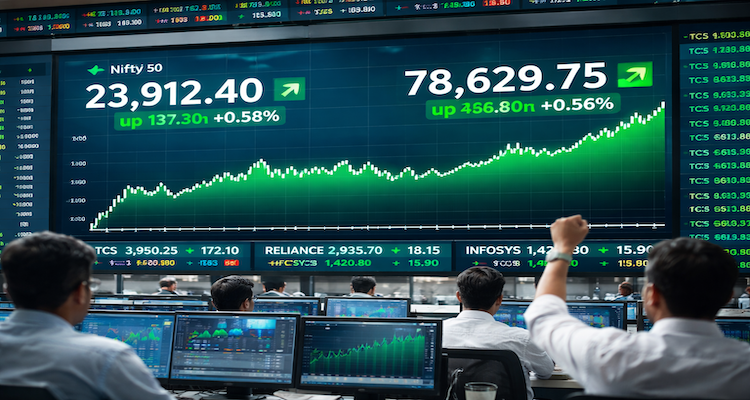
One of the most circulated claims suggests that 2026 will see a massive digital outage, disabling financial systems, communications, and essential services.
While no credible evidence supports such a prophecy, the fear resonates.
Cybersecurity experts have long warned about increasing threats to digital infrastructure, from ransomware attacks to state-sponsored hacking. The prediction echoes real concerns without offering verifiable specifics.
Its power lies in familiarity, not foresight.
Prediction 2: A Sudden Shift in Global Power
Another prophecy claims 2026 will mark a dramatic geopolitical realignment, with unexpected nations rising and traditional powers weakening.
Historians point out that global influence shifts gradually, not overnight. However, rising multipolar tensions, economic fragmentation, and regional conflicts make the idea emotionally compelling.
“People often confuse long-term trends with sudden prophecy,” notes international relations analyst Thomas Greene. “It’s storytelling layered over slow change.”
Prediction 3: A Technological Turning Point
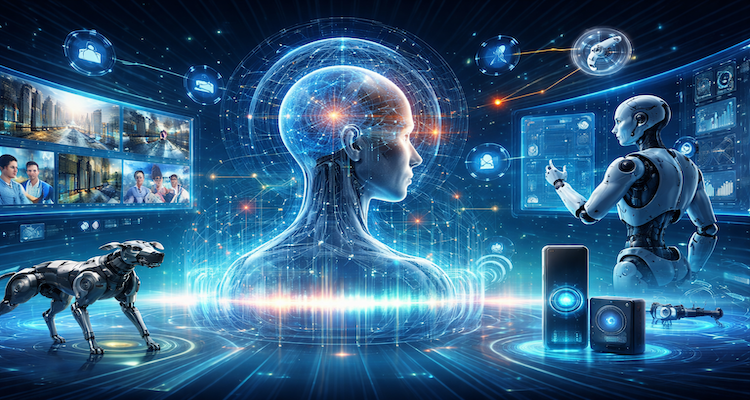
Several self-proclaimed time travelers warn of a technology in 2026 that will “change humanity forever,” often implying artificial intelligence or human augmentation.
This prediction taps into legitimate debates about AI ethics, automation, and data privacy. But experts caution against framing innovation as a single apocalyptic moment.
Technology evolves incrementally, regulated, contested, and shaped by policy.
Prediction 4: A Climate-Linked Wake-Up Call
Climate-related prophecies are among the most emotionally charged, predicting a defining environmental event in 2026 that forces global action.
Scientists emphasize that climate change is already producing extreme events annually. Framing one year as uniquely catastrophic oversimplifies a continuous crisis.
Still, such predictions reflect growing public frustration with slow policy responses.
Prediction 5: A Cultural or Social Reckoning
The final common prophecy focuses less on disasters and more on social upheaval, suggesting mass protests, cultural realignments, or ideological shifts.
Sociologists argue this reflects generational change rather than foresight. Younger populations worldwide are questioning institutions, work structures, and governance models.
The “prophecy” mirrors existing momentum.
Why These Predictions Feel So Real
What makes these claims unsettling isn’t evidence, it’s relatability.
Each prediction aligns closely with real-world headlines, existing fears, and unresolved debates. The language is intentionally broad, allowing believers to retrofit events to match claims after the fact.
Psychologists call this confirmation bias.
“When people are anxious, they look for narratives that explain complexity in simple terms,” explains behavioral psychologist Dr. Lena Ortiz.
Entertainment, Not Belief
Despite viral attention, most audiences treat these predictions as speculative entertainment rather than truth.
Online discussions show a mix of curiosity, humor, and skepticism. Many commenters view such prophecies as modern folklore, stories reflecting collective mood rather than literal warnings.
Platforms themselves often flag or downrank posts making unverified claims.
Impact and Implications
While these prophecies lack factual grounding, they influence how people talk about the future.
They can amplify fear, distract from evidence-based discussion, or spread misinformation if taken seriously. At the same time, they can spark useful conversations about preparedness, resilience, and accountability.
The real risk lies not in believing a time traveler, but in ignoring credible science, policy analysis, and expert guidance.
Curiosity With Caution
As 2026 approaches, similar predictions will almost certainly multiply. History suggests none will unfold as described.
What will matter more is how societies respond to real challenges already visible today, climate adaptation, digital security, technological governance, and social trust.
The future doesn’t need travelers to warn us. It’s already signaling through data, research, and lived experience.
ALSO READ: Back to the Future: Inside the 2026 Nostalgia Boom
Disclaimer:
This content is published for informational or entertainment purposes. Facts, opinions, or references may evolve over time, and readers are encouraged to verify details from reliable sources.