










Farm Aid Offers Lifeline, Not Cure, for Struggling U.S. Growers
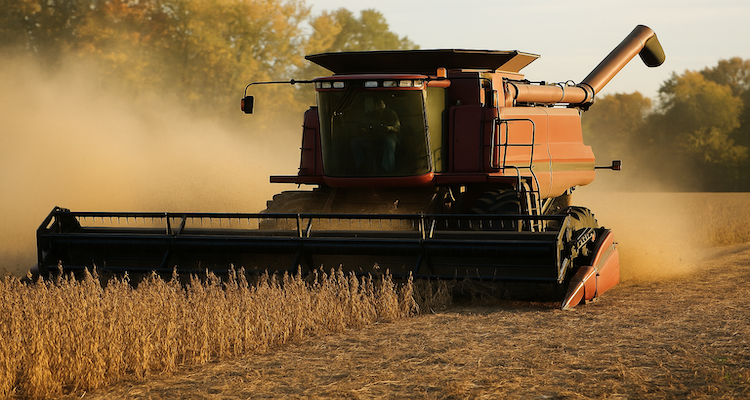
U.S. farmers welcome Trump’s $12B aid package but warn it falls far short of massive losses driven by low crop prices, rising costs, and export setbacks.
A Strained Farm Belt Awaits Relief
Farmers across the United States, already grappling with one of their toughest financial years in a decade, are cautiously welcoming President Donald Trump’s new $12 billion farm aid package. For many, the assistance could help them simply reach the next planting season. But growers, economists, and lenders say the relief is far too small to counter deepening losses, volatile markets, and a farm economy weakened by the administration’s own trade policies.
A Sector Squeezed by Prices, Costs, and Lost Markets
America’s agricultural producers have spent much of the year navigating a punishing mix of low commodity prices, rising costs for seeds, fertilizer, and labor, and sharply reduced international demand. Export disruptions-most notably in soybeans-have cut into critical revenue just as input expenses hit multi-year highs.
Experts estimate that losses across nine major U.S. crops, from corn and wheat to peanuts and soybeans, range between $35 billion and $44 billion this year alone. Shawn Arita of the Agricultural Risk Policy Center at North Dakota State University says the damage is far beyond what the current aid package can realistically repair.
The Trump administration maintains that the program is designed as a temporary measure, intended to tide farmers over until expanded support programs from Trump’s tax and spending law take effect. Those changes could ultimately raise government payments by boosting “reference prices,” which determine when farm assistance programs are triggered.
The Administration’s Pitch: A Bridge, Not a Bailout
At the White House on Monday, Agriculture Secretary Brooke Rollins framed the aid as a necessary short-term cushion rather than a permanent lifeline. The real goal, she said, is restoring strong markets so farmers can profit from sales, not federal checks.
“Where we stand today, this bridge is essential,” Rollins said, emphasizing that the administration wants thriving markets rather than prolonged dependence on government support.
The concern among farmers, however, is whether the bridge is sturdy enough-or long enough-to carry them through the next two growing seasons, as the broader farm economy keeps flashing warning signs.
Record Government Payments but Limited Relief
Even before this new round of assistance, Washington was on track to deliver nearly $40 billion in farm payments this year-one of the highest totals on record-with much of it coming from emergency or ad hoc programs.
Trump’s tax-and-spending plan, branded by the administration as the One Big Beautiful Bill, could push payments even higher next year. The legislation raises reference prices for several key crops by 10% to 21%, potentially triggering more substantial aid beginning in October 2026.
USDA Under Secretary Richard Fordyce described the new $12 billion program as a stopgap “to help producers stay afloat” until those structural increases take effect.
But many agricultural economists argue that higher reference prices won’t resolve the underlying pressures farmers face. Wesley Davis, an independent economist, notes that rising debt loads and escalating production costs continue outpacing revenue for many growers.
A recent Purdue University/CME Group survey found that more than half of U.S. farmers plan to use federal aid primarily to pay off debt, rather than invest in machinery, technology, or working capital-signaling how strained their finances have become.
Financial Warning Lights Flash for 2026
Agricultural lenders are particularly uneasy about the outlook. According to a joint November survey by the American Bankers Association and Farmer Mac, fewer than half of farm borrowers are expected to turn a profit in 2026. Top concerns include dwindling liquidity, unstable income, and persistent inflation.
Jennifer Ifft, professor of agricultural economics at Kansas State University, summed up the mood: the aid will make marginal operations “less desperate,” she said, but for farmers already underwater, it’s little more than “a bridge.”
Soybean Sector Hit Hardest, Still Bleeding Losses
No crop has felt the impact of the trade war more sharply than soybeans. China-once the U.S.’s largest soybean buyer-halted purchases from May to November, stripping billions of dollars from growers during the heart of the export season.
Caleb Ragland, a Kentucky grower and president of the American Soybean Association, says the federal aid will cover only about one-quarter of the sector’s losses. While grateful for the assistance, he stresses the gap it leaves behind.
He calls the funds an “economic bridge,” but adds that the package merely “slows the bleeding” rather than restoring the market customers haven’t fully returned to.
Specialty Crop Growers Left With Even Less
Fruit and vegetable producers-who often face higher per-acre costs and fewer federal safety nets-are set to receive very little from the new package. Only $1 billion of the $12 billion is earmarked for specialty crops, and industry leaders warn that it barely scratches the surface.
Kam Quarles, CEO of the National Potato Council, points out that russet potato growers alone face roughly $500 million in losses this year. “The need is far greater,” he said, underscoring how specialty producers consistently receive a smaller slice of federal support.
Past Trade Aid Still Raises Questions
During Trump’s first term, farmers received more than $23 billion in trade aid over two years. A 2021 Government Accountability Office review later found that some regions received outsized payments because of how the USDA calculated the formula.
This time around, Fordyce says the aid will not be adjusted based on region. Payments will instead reflect planted acreage, production costs, and other standardized factors.
Impact & What Comes Next
For now, the new aid provides short-term breathing room, but the industry’s long-term stability remains deeply uncertain. The gap between rising production costs and volatile commodity prices continues to widen. Export markets remain unpredictable. And lenders forecast more borrowers operating with dangerously thin margins.
The overarching message from farmers and analysts is clear: Washington’s $12 billion won’t stop the downturn-it will only soften it.
A Lifeline, Not a Revival
The promise of federal relief may help farmers get through the winter and prepare for planting, but few expect it to reverse a farm economy that has been battered by trade tensions, weak prices, and surging costs. The aid may offer temporary stability, but growers say meaningful recovery depends on reliable markets, stronger export relationships, and policy decisions that support long-term resilience.
Until then, America’s producers will continue navigating a fragile landscape-with a federal safety net that can slow the fall but cannot fully break it.
ALSO READ: The Invisible Market Moving Trillions Without Human Approval