










Families to Sue UPS After Fatal MD-11 Jet Crash
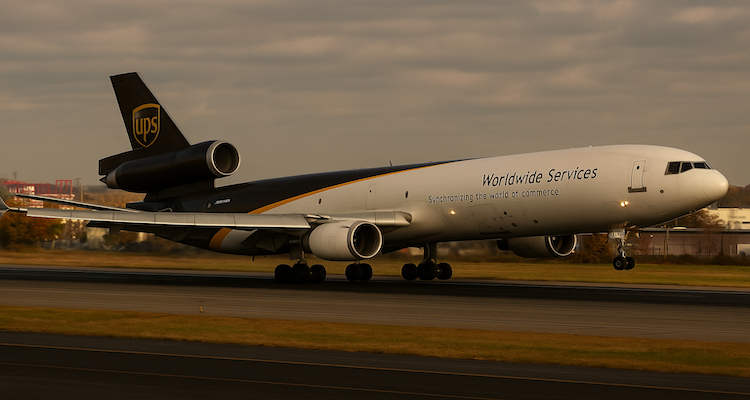
Families of the 14 victims killed in a UPS MD-11 cargo jet crash in Louisville are preparing a wrongful death lawsuit as investigators probe structural failures.
A Legal Battle Takes Shape
Families of those killed in a devastating UPS cargo jet crash in Louisville are preparing to take the shipping giant to court. A wrongful death lawsuit expected to be filed Wednesday aims to hold UPS and others accountable for what attorneys describe as preventable structural failures that turned a routine takeoff into a catastrophic tragedy.
A Routine Flight That Became a National Tragedy
The crash unfolded moments after the MD-11 freighter lifted off from Louisville’s airport on November 4. Within seconds, the aircraft lost its left engine, veered off course, and plunged into a nearby industrial park.
Fourteen people were killed including all three crew members on board and eleven people inside buildings on the ground making it one of the deadliest cargo-plane incidents in recent U.S. aviation history.
At the time, the aircraft was part of UPS’s long-serving MD-11 fleet, a model originally produced by McDonnell Douglas and later absorbed into Boeing’s portfolio after the companies merged in 1997.
Early Findings Point to Structural Fatigue
Investigators with the National Transportation Safety Board (NTSB) released preliminary findings last month, offering the clearest picture yet of what went wrong. According to the report, structural fatigue cracks were discovered in a critical support component on the aircraft’s left pylon the structure that attaches the engine to the wing.
This early conclusion suggests the aircraft was operating despite clear signs of aging. Attorney Bob Clifford, who is helping represent the victims’ families, said the findings indicate the jet had exceeded its safe operational lifespan. In his view, “the report points to a plane that was worn out and should never have been in the air.”
The engine detachment documented in the report occurred just moments after rotation, leaving the crew with no time or altitude to recover. The result: an uncontrollable descent into the industrial park below.
Groundings and Industry Response
In the aftermath of the accident, UPS grounded its entire MD-11 cargo jet fleet. Other operators quickly followed suit, effectively pulling the aging aircraft from service until investigators could determine whether the Louisville crash reflected a broader safety concern.
Boeing, which oversees the MD-11 legacy program, previously stated that it urged operators such as UPS and FedEx to suspend flights involving the freighter model after the crash. The aviation manufacturer emphasized that operator safety needed to take precedence while authorities reviewed the aircraft’s structural integrity.
Families Seek Answers-and Accountability
The impending lawsuit is expected to focus on whether UPS, Boeing, or other entities failed to identify or act on warning signs related to fatigue damage on the aircraft. Plaintiffs argue their loved ones died because of systemic oversight failures either in maintenance protocols, aircraft monitoring, or manufacturer guidance.
For the families who lost relatives both in the air and on the ground, the legal action represents more than compensation. It is an effort to force transparency and accountability within a sector where safety lapses can claim lives in an instant.
Broader Implications for Cargo Aviation
The Louisville tragedy is reigniting conversations about aging aircraft fleets in commercial cargo operations. Although MD-11s have long been valued for their capacity and durability, many are now decades old. As structural fatigue becomes a recurring concern, industry analysts say operators may face mounting pressure to accelerate retirement plans or invest in extensive refurbishments.
Regulators, too, may increase scrutiny of aging aircraft certifications, maintenance intervals, and oversight of legacy fleets. If the NTSB’s final report confirms structural fatigue as a root cause, the outcome could influence policy changes affecting cargo carriers nationwide.
What Comes Next
The formal wrongful death lawsuit is expected to move forward this week, likely setting off a lengthy legal process that could last years. Meanwhile, investigators continue analyzing wreckage, flight data, and maintenance records to determine how fatigue cracks developed and whether they were detectable earlier.
For now, the families and the aviation world await the NTSB’s final conclusions, which could reshape not only the legal landscape but also future safety standards for older cargo aircraft.
A Pursuit for Justice Amid Unanswered Questions
As families step into court seeking justice, the Louisville crash stands as a stark reminder of the high stakes of aviation safety. The lawsuit marks the beginning of a broader reckoning one that could reveal critical gaps in oversight and prompt meaningful change across the industry. Until the full investigation is complete, the tragedy remains a cautionary tale about aging fleets, structural fatigue, and the consequences when vital warning signs go unnoticed.
ALSO READ: Teen’s Legal Fight Challenges Australia’s Under-16 Social Media Ban