









Dollar Rallies on Fed Signals, Iran Tensions
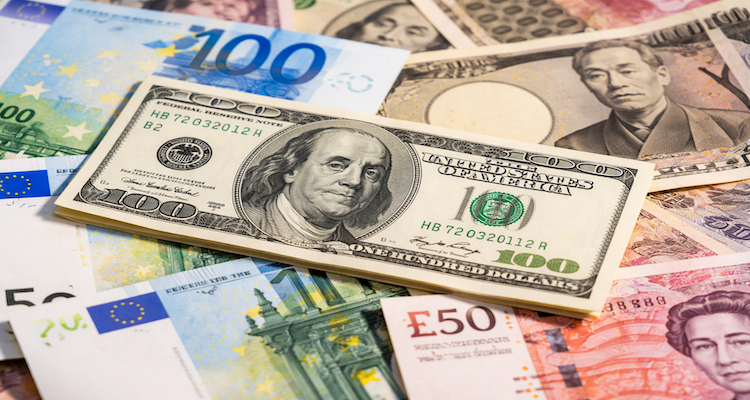
The U.S. dollar is closing out its strongest week in more than four months, powered by resilient economic data, firm Federal Reserve messaging, and rising geopolitical strain in the Middle East. Currency markets are recalibrating expectations as investors weigh inflation risks, interest rate policy, and escalating tensions between Washington and Tehran.
With fresh U.S. inflation and growth data due, traders are bracing for another round of volatility that could define the dollar’s next move.
Dollar Surges on Economic Strength
The greenback strengthened through the week and remained near a one-month high in early Asian trading on Friday. Against a basket of major currencies, the U.S. dollar index hovered around 97.89, putting it on course for a gain of more than 1% for the week-its best performance since October.
The rally gathered pace after new data showed U.S. jobless claims fell more than analysts expected last week. The drop reinforced the view that the American labor market remains steady despite higher borrowing costs.
Currency markets tend to respond quickly to labor data because employment stability influences consumer spending and inflation trends-both critical inputs for Federal Reserve policy decisions.
Fed Minutes Reinforce Hawkish Tone
Minutes from the Federal Reserve’s latest meeting added further momentum to the dollar’s climb. Policymakers signaled they remain alert to persistent inflation pressures and are prepared to keep rates elevated-or even raise them again-if price growth fails to cool.
Joseph Capurso, strategist at Commonwealth Bank of Australia, said the Fed’s tone this week suggested the dollar could continue strengthening in the near term. He noted that several policymakers appear open to additional rate hikes should inflation prove stubborn.
The possibility of higher-for-longer rates makes U.S. assets more attractive relative to other major economies, drawing capital flows into the dollar.
Geopolitical Tensions Add Safe-Haven Demand
Beyond economics, geopolitics also played a role in the dollar’s performance.
Markets reacted after U.S. President Donald Trump warned Iran that it must reach a nuclear agreement within 10 to 15 days or face serious consequences. Tehran responded by signaling it would retaliate against American military bases in the region if attacked.
While no immediate escalation followed, the exchange heightened investor caution.
Capurso said such tensions can support the dollar because it is widely viewed as a safe-haven asset during periods of uncertainty. However, he also cautioned that a significant military confrontation could disrupt oil markets and create broader financial instability-potentially challenging traditional safe-haven dynamics.
Oil-sensitive currencies and emerging markets could be particularly vulnerable if tensions were to intensify.
Euro and Sterling Under Pressure
The dollar’s strength translated into weakness for several major currencies.
Sterling hovered near $1.3457, close to a one-month low, and was on track for a weekly drop of nearly 1.5%. The British currency has faced renewed headwinds amid broader dollar strength and cautious economic sentiment.
The euro also slipped slightly to $1.1768 and looked set for a weekly decline of around 0.8%. In addition to dollar momentum, the common currency has been weighed down by uncertainty surrounding European Central Bank leadership, including questions about President Christine Lagarde’s tenure.
Currency traders typically respond quickly to political or institutional uncertainty in the euro zone, given the ECB’s central role in guiding interest rate expectations across member states.
Markets Await Key U.S. Data
Attention now turns to the release of the U.S. core Personal Consumption Expenditures (PCE) price index and advance fourth-quarter GDP figures. The PCE index is the Fed’s preferred inflation gauge, making it a critical data point for investors assessing the likelihood of future rate moves.
According to CME’s FedWatch tool, markets are currently pricing in roughly two rate cuts this year. However, expectations for a June rate reduction have eased, slipping to about 58% from 62% a week ago.
Chris Zaccarelli, chief investment officer at Northlight Asset Management, said the internal debate at the Fed centers on whether to cut rates preemptively to protect the job market or maintain tighter policy to prevent inflation from resurging. Friday’s inflation data, he noted, could significantly influence that debate.
A stronger-than-expected inflation reading would likely reinforce the dollar’s recent gains. A softer print could revive expectations for earlier rate cuts.
Diverging Paths in Asia-Pacific
In the Asia-Pacific region, currency performance reflected contrasting monetary policy outlooks.
The Australian dollar dipped modestly to $0.7055 but remained relatively resilient for the week, losing just 0.2%. Investors continue to expect firm rate policy from the Reserve Bank of Australia, lending support to the currency.
The New Zealand dollar fared worse, sliding 0.12% to $0.5967 and heading toward a weekly decline of about 1.2%. Traders have been adjusting positions after the Reserve Bank of New Zealand adopted a more dovish stance following a series of rate cuts over the past year.
Those who had anticipated tighter policy were caught off guard, amplifying downside pressure on the kiwi.
Yen Slips as Inflation Slows
In Japan, the yen weakened slightly to around 155.08 per dollar after fresh data showed annual core consumer inflation slowed to 2.0% in January-the slowest pace in two years.
Abhijit Surya, senior Asia-Pacific economist at Capital Economics, said the latest figures are unlikely to push the Bank of Japan toward immediate rate hikes. He noted that economic activity has shown only a modest rebound, reducing urgency for further tightening.
However, Surya added that if wage growth strengthens and underlying price pressures remain firm, the case for another rate increase later in the year-possibly in June-would remain intact.
For now, the dollar’s broader strength has overshadowed yen-specific factors.
What This Means for Global Markets
The dollar’s resurgence has ripple effects across financial markets.
A stronger dollar typically tightens global financial conditions, especially for emerging economies that borrow in U.S. currency. It can also weigh on commodities priced in dollars, though geopolitical tensions may complicate that dynamic, particularly in oil markets.
Investors are navigating a complex mix of forces: solid U.S. economic data, persistent inflation concerns, cautious central banks abroad, and geopolitical risk in the Middle East.
If upcoming inflation data confirms that price pressures remain sticky, expectations for delayed rate cuts could solidify, providing further support for the greenback. Conversely, softer inflation could quickly reverse some of this week’s gains.
The Road Ahead
For now, the dollar appears firmly supported by economic resilience and policy uncertainty.
Yet markets remain highly sensitive to both data releases and geopolitical headlines. Any significant development-whether from the Federal Reserve, fresh inflation numbers, or diplomatic escalation-could shift sentiment quickly.
As global central banks continue to chart different paths, currency volatility is likely to remain elevated in the weeks ahead.
(With inputs from Reuters.)
Continue Exploring:
Markets Steady After Rally; AI Concerns Linger
Asian Markets Climb as Tech Rally Offsets Tensions
Markets Drift as IT Stocks Eye AI Signals
The information presented in this article is based on publicly available sources, reports, and factual material available at the time of publication. While efforts are made to ensure accuracy, details may change as new information emerges. The content is provided for general informational purposes only, and readers are advised to verify facts independently where necessary.