










Cyclone Koji Batters Queensland, Knocks Out Power
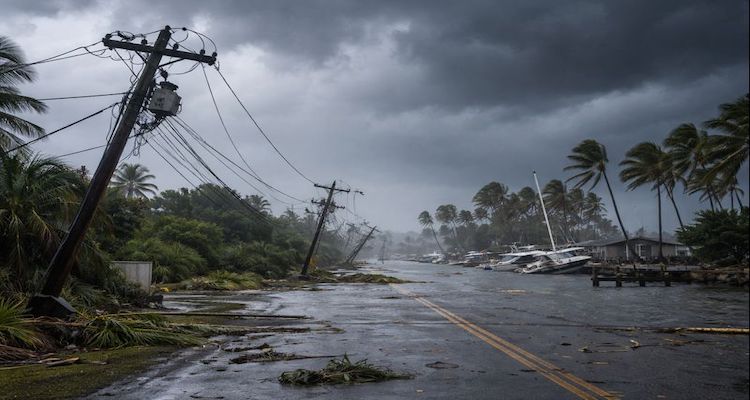
A Powerful Storm Tests Queensland’s Resilience
Thousands of residents across northeastern Queensland were left without electricity after Tropical Cyclone Koji crossed the coast, unleashing heavy rain and damaging winds. While the system weakened quickly, its impact highlighted the growing vulnerability of coastal communities to severe weather.
The storm struck just weeks after another major weather event, compounding concerns about infrastructure resilience and flood preparedness in one of Australia’s most cyclone-prone regions.
Where and How Cyclone Koji Made Landfall
Cyclone Koji came ashore between the coastal towns of Ayr and Bowen, roughly 500 kilometers north of Brisbane. Initially classified as a category one cyclone, the system weakened into a tropical low shortly after landfall, according to Australia’s Bureau of Meteorology.
Despite its downgrade, Koji packed a punch. Wind gusts reached speeds of up to 95 kilometers per hour, while torrential rain lashed wide areas of the Queensland coast.
Coastal Towns Bear the Brunt
Several communities felt the full force of the storm, including Mackay, a popular tourist destination and a key access point to the Great Barrier Reef. Strong winds damaged homes, marinas, and small vessels, while fallen trees and debris forced road closures.
Emergency services responded to multiple calls overnight as flooding began to affect low-lying neighborhoods and transport routes.
Widespread Power Outages and Infrastructure Damage
Queensland Premier David Crisafulli confirmed that approximately 15,000 properties lost power as a direct result of Cyclone Koji. Electricity crews were deployed across affected areas, though ongoing weather conditions slowed restoration efforts.
Beyond power outages, local authorities reported damage to boats, private property, and essential infrastructure, adding to cleanup challenges already faced by councils earlier this year.
Heavy Rain Raises Flood Risks
Rainfall totals reached as high as 200 millimeters in some areas overnight, with further downpours forecast over the next 24 to 48 hours. Meteorologists warned that saturated ground conditions significantly increased the risk of flash flooding.
Premier Crisafulli acknowledged the dangers while expressing confidence in community preparedness. Speaking from Brisbane, he said Queenslanders were accustomed to dealing with extreme weather but urged residents to remain cautious.
Federal Leaders Warn of Ongoing Dangers
Prime Minister Anthony Albanese earlier described flash flooding as a “major risk” across a broad stretch of Queensland’s coastline. Federal and state agencies coordinated messaging to ensure residents stayed informed about evacuation warnings and road closures.
Authorities emphasized that even downgraded systems like Koji can pose serious threats, particularly when slow-moving rainfall systems linger over already wet regions.
Weather Conditions Expected to Ease Gradually
According to the Bureau of Meteorology, severe weather was expected to persist through Sunday before conditions potentially began to ease on Monday. Forecasters cautioned, however, that isolated heavy rainfall could continue even after the system weakens.
Emergency officials advised residents to avoid flooded roads and remain alert to updated warnings as river levels respond to accumulated rainfall.
A Pattern of Repeated Weather Shocks
Cyclone Koji follows closely on the heels of Tropical Cyclone Alfred, which struck Queensland in March. Although Alfred was downgraded before landfall, it still caused widespread power outages affecting hundreds of thousands of residents.
The back-to-back events have renewed scrutiny of how climate variability and warming ocean temperatures may be influencing the frequency and intensity of tropical systems affecting Australia.
Economic and Community Impacts
Short-term disruptions from Koji are expected to affect tourism, transport, and local businesses, particularly in coastal hubs like Mackay. While no fatalities were reported, cleanup costs and lost productivity could place additional strain on regional economies.
For residents, the storm served as another reminder of the importance of emergency readiness, especially during Queensland’s active cyclone season.
Looking Ahead: Preparedness in an Era of Extremes
As Queensland moves into recovery mode, authorities are likely to assess infrastructure vulnerabilities exposed by Cyclone Koji. Power resilience, flood mitigation, and emergency communication systems remain central to ongoing planning efforts.
With climate scientists warning of more intense rainfall events in the future, communities along Australia’s northeast coast may face increasingly complex challenges in balancing development, safety, and sustainability.
A Wake-Up Call, Not Just a Storm
Cyclone Koji may have weakened quickly, but its impact was far from minor. Power outages, flooding risks, and infrastructure damage underscore how even lower-category systems can disrupt lives and livelihoods.
As Queenslanders begin the cleanup, the storm stands as a reminder that preparedness, coordination, and resilience are essential in a region where extreme weather is no longer an exception, but an expectation.
(Attribution: According to a Reuters report, with additional statements from Queensland and federal officials.)
ALSO READ: Bob Weir, Grateful Dead Visionary, Dies at 78
Disclaimer:
The information presented in this article is based on publicly available sources, reports, and factual material available at the time of publication. While efforts are made to ensure accuracy, details may change as new information emerges. The content is provided for general informational purposes only, and readers are advised to verify facts independently where necessary.