










Cutting-Edge Robotics Innovations at CES 2023
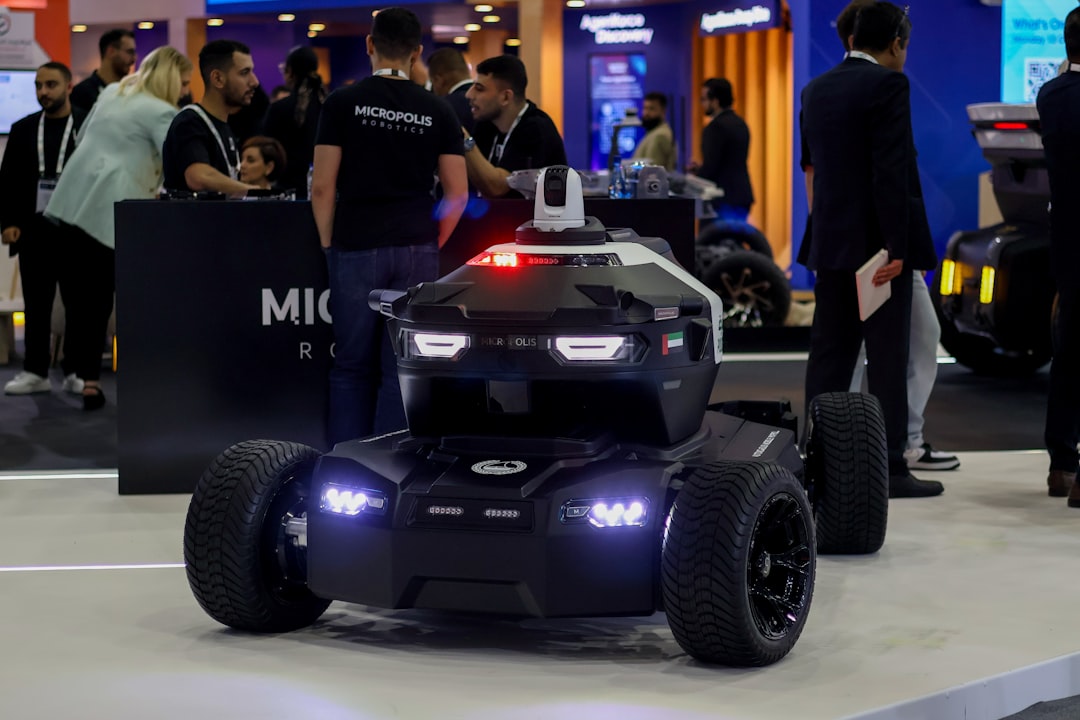
The Consumer Electronics Show (CES) has established itself as a premier platform for unveiling futuristic technologies, and this year’s event did not disappoint, particularly in the realm of robotics. Attendees were treated to a diverse array of robotic innovations that, while not yet commercially viable, offered a fascinating glimpse into the potential directions of the industry. As companies push the boundaries of technology, these creations serve both as prototypes and as visions for a future where robots could become integral to daily life.
This year’s exhibition showcased various robots spanning multiple applications, from domestic helpers to advanced companions designed for nuanced social interactions. While some products still reside in the experimental stage, they reflect the ambitions of their developers and highlight the dynamic, evolving landscape of robotics.
Among the standout robots featured was a collaborative robot designed for industrial settings, demonstrating the ongoing trend of increasing automation in manufacturing. This unit is equipped with advanced sensors and machine learning capabilities that allow it to adapt to its environment and perform complex tasks alongside human workers. The rise of such robots signifies a shift towards enhancing productivity and safety within the workplace.
Home automation remained a popular theme, with several companies showcasing domestic robots intended to assist with chores or provide companionship. For example, one notable product was a robot vacuum cleaner equipped with artificial intelligence that not only navigates its environment but also learns user preferences for cleaning patterns. This development reveals the potential for household robots to transition from simple tools to empathetic assistants that respond to human needs.
Another interesting highlight was the emergence of social robots, designed to engage users in conversations or provide entertainment. These robots feature advanced natural language processing and emotion recognition systems, allowing them to interact with users in a manner that feels increasingly lifelike. Such technology opens the door for a range of applications, including therapeutic interventions for mental health conditions and educational tools that can provide personalized learning experiences.
One intriguing display was a robot aimed at enhancing telepresence capabilities, allowing users to feel physically present in remote meetings through interactive features. This development is particularly relevant as the workforce continues to adapt to hybrid models that blend remote and in-person collaboration. Further innovations in this area could revolutionize how teams communicate and work together regardless of geographic barriers.
Despite the excitement surrounding these robots, it’s important to temper expectations. Many of the prototypes showcased at CES represent early-stage concepts that may take years to refine and bring to market. However, observing these advancements provides a significant indicator of evolving consumer expectations and industry trends.
In summary, CES continues to be an important barometer for the robotics sector, where innovation meets imagination. While these robots may not yet be ready for widespread commercial use, their development illustrates the persistent quest for more versatile and responsive technologies. As the industry moves forward, the advancements displayed at this year’s event are likely to lay the groundwork for future applications that intertwine technology with everyday life.
-
Collaborative Industrial Robots: Enhanced productivity with machine learning capabilities.
-
AI-Enabled Home Assistants: Products that learn user habits for improved domestic support.
-
Social Companion Robots: Engage users with advanced conversational and emotional responses.
-
Telepresence Robots: Improve remote communication experiences for hybrid work environments.
As we look toward the future, the innovations presented at CES remind us that the evolution of robotics will continue to challenge our perceptions and reshape our interactions with technology.
Disclaimer:
The information presented in this article is based on publicly available sources, reports, and factual material available at the time of publication. While efforts are made to ensure accuracy, details may change as new information emerges. The content is provided for general informational purposes only, and readers are advised to verify facts independently where necessary.