










California Challenges Trump Over $33M Truck Safety Freeze
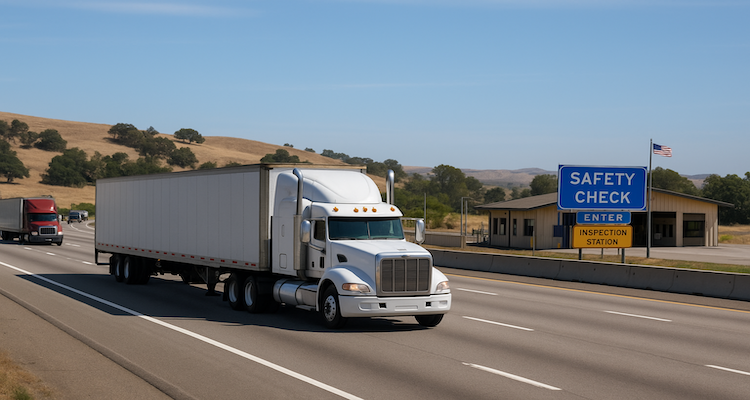
California has sued the Trump administration over a $33 million funding freeze, disputing claims that the state failed to enforce English rules for truck drivers.
A Federal Funding Fight Hits the Courts
A new legal battle is unfolding between California and the Trump administration, with millions of dollars in federal transportation funding at stake. Late Friday, California filed a lawsuit accusing federal officials of unlawfully cutting off more than $33 million in grants tied to commercial vehicle safety-triggering a broader debate over immigration policy, road safety, and federal oversight of state programs.
At the center of the dispute is a long-standing federal rule: commercial truck drivers operating in the United States must demonstrate sufficient English proficiency to safely navigate roads, signage, and law enforcement interactions. California says it follows those rules. Washington says otherwise.
The Role of Federal Truck Safety Funding
Federal grants play a critical role in helping states enforce commercial vehicle safety laws. These funds support roadside inspections, compliance audits, and enforcement programs designed to reduce crashes involving large trucks and buses.
California, home to the nation’s largest economy and one of its busiest freight corridors, relies heavily on this funding to oversee trucking activity across ports, highways, and border routes. According to the state, the more than $33 million in question was earmarked for ongoing commercial vehicle safety initiatives administered in coordination with the Federal Motor Carrier Safety Administration (FMCSA).
The Trump administration’s decision to terminate these grants was announced in October, following a federal review that concluded California was not adequately complying with English-language proficiency standards for truck drivers.
California Takes Legal Action
In its lawsuit, California named Transportation Secretary Sean Duffy and the FMCSA as defendants, arguing that the federal government acted arbitrarily and without legal justification.
State officials contend that California’s enforcement framework already aligns with federal law. The state maintains that its commercial driver licensing process, inspections, and enforcement protocols are compatible with national standards that require drivers to read and speak English well enough to understand traffic signs, respond to official inquiries, and complete safety documentation.
California also argues that federal officials failed to provide sufficient evidence that the state was out of compliance before moving to cut off funding-an action the lawsuit describes as both punitive and politically motivated.
The state is seeking to have the funding restored and the termination decision overturned.
Safety or Politics?
While the lawsuit itself does not quote outside experts, the broader issue has sparked sharp reactions across the transportation and immigration policy landscape.
Supporters of the Trump administration’s approach argue that strict enforcement of English proficiency rules is a public safety necessity, particularly as freight traffic increases nationwide. They point to concerns raised by trucking associations and law enforcement agencies about communication barriers during inspections, accidents, and emergency situations.
California officials, however, reject the idea that the state has been lax on safety. They insist the federal government is using truck safety rules as a proxy for a wider crackdown on immigration and foreign labor in the transportation sector.
The dispute echoes earlier statements from Trump administration officials. In August, Secretary of State Marco Rubio announced that the United States would immediately pause the issuance of worker visas for commercial truck drivers-a move framed as a response to safety concerns involving drivers who allegedly lacked adequate English skills.
That visa pause signaled a tougher federal stance on foreign truck drivers and set the stage for the funding dispute now headed to court.
What’s at Stake for California and Beyond
The financial consequences for California could be significant. Losing more than $33 million in federal support may force the state to scale back inspections, delay safety initiatives, or redirect funds from other transportation priorities.
Beyond California, the case could establish a precedent for how aggressively the federal government can penalize states over perceived compliance failures-especially when those failures intersect with politically sensitive issues like immigration and labor policy.
If the courts side with California, it may limit the federal government’s ability to use grant funding as leverage in regulatory disputes. If the Trump administration prevails, other states could face increased scrutiny of their commercial driver enforcement programs, particularly those with large immigrant workforces in logistics and transportation.
The lawsuit also highlights the tension between federal authority and state autonomy, a recurring theme in transportation, environmental, and immigration policy debates.
A Legal Showdown With National Ramifications
California’s challenge to the Trump administration is more than a fight over funding-it’s a test of how transportation safety rules are enforced and how far federal agencies can go in disciplining states.
As the case moves through the courts, its outcome could shape the future of commercial trucking oversight, federal grant enforcement, and the balance of power between Washington and the states. For now, the $33 million question remains unresolved, with implications that extend well beyond California’s borders.
(Disclaimer: This article is an independently written-news analysis based on publicly reported facts. It is intended for informational purposes and does not constitute legal advice or official government commentary.)
ALSO READ: Strategy Stays in Nasdaq 100 as Bitcoin Model Faces Scrutiny