










Anxiety Unmasked: What New Brain Research Reveals
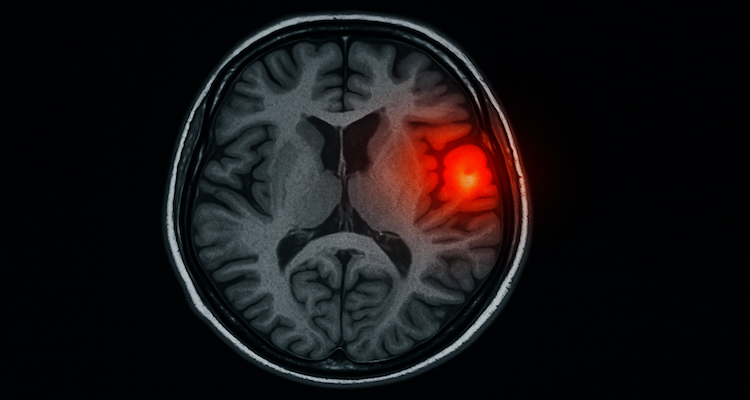
Groundbreaking neuroscience is reshaping how we understand anxiety. Discover what brain science says and how new therapies can help manage and heal it.
Introduction: A New Dawn for Mental Health
Anxiety affects more than 300 million people globally, but a quiet revolution is underway in the labs of neuroscientists. With brain imaging tools and molecular research offering fresh insights, experts are beginning to decode what truly triggers anxiety—and how we can fix it. From rewiring neural circuits to targeting specific brain chemicals, the next generation of anxiety treatment is moving beyond therapy couches and pill bottles.
Context & Background: Anxiety’s Long Reign
For decades, anxiety was considered a generalized emotional response—something rooted in stress, trauma, or personality. Treatments often centered on selective serotonin reuptake inhibitors (SSRIs) or cognitive behavioral therapy (CBT), and while these helped many, they didn’t work for all. The biological underpinnings remained poorly understood, leaving both patients and professionals frustrated.
But recent breakthroughs in functional MRI (fMRI) and neurochemical mapping are painting a different picture: one where anxiety isn’t just “in your head” but rather a physical, measurable dysfunction in specific brain regions and networks.
Main Developments: What the Brain Science Now Shows
1. The Amygdala-Hippocampus Loop
New studies confirm that the amygdala—the brain’s fear center—plays a pivotal role in anxiety, but it doesn’t act alone. The hippocampus, which processes memory, works in tandem with the amygdala to amplify anxious responses by mislabeling neutral experiences as threats. When this loop becomes hyperactive, even a casual social interaction can feel dangerous.
“Study Highlight: A 2024 research paper from Stanford’s Neuroscience Institute revealed that people with Generalized Anxiety Disorder (GAD) had a 30% higher connectivity rate between the amygdala and hippocampus than non-anxious individuals.”
2. Default Mode Network (DMN) Disruption
The Default Mode Network—active when we’re daydreaming or introspecting—is increasingly seen as central to rumination. Brain scans show that in anxious individuals, the DMN becomes overactive, trapping the person in cycles of worry and self-criticism.
3. GABA and Glutamate Imbalance
GABA is the brain’s primary calming neurotransmitter. In anxiety sufferers, low GABA and excessive glutamate create a chemical imbalance that keeps the brain in a hyper-alert state. Emerging drugs and supplements now aim to restore this balance more effectively than traditional SSRIs.
Expert Insight: What Neuroscientists and Psychologists Say
“Anxiety is no longer a black box,” says Dr. Lisa Feldman Barrett, neuroscientist and author of Seven and a Half Lessons About the Brain. “We can now see how emotion regulation breaks down at the circuit level.”
Psychiatrist and researcher Dr. Judson Brewer from Brown University adds:
“The brain’s habit loops reinforce anxiety. Once we understand these loops, we can rewire them using mindfulness, exposure therapy, and even digital therapeutics.”
Public reaction to these findings is cautiously optimistic. Anxiety sufferers report relief in knowing their condition has a biological fingerprint. Social media platforms like Reddit’s r/anxiety are buzzing with discussions about neural feedback, brain zapping (transcranial magnetic stimulation), and even DIY neuroplasticity exercises.
Impacts & Implications: A Future Beyond Pills?
Personalized Treatment Plans
The new science is shifting anxiety treatment toward personalization. fMRI-based assessments could soon help clinicians tailor interventions—from neural stimulation to customized pharmacological blends—based on individual brain patterns.
Rise of Non-Invasive Therapies
Technologies like transcranial magnetic stimulation (TMS) and neurofeedback are gaining traction. Unlike medications, they target specific brain circuits without systemic side effects. Studies show TMS can reduce anxiety symptoms by 40–60% in just six weeks.
Digital Tools & AI
Apps like Unwinding Anxiety and AI-powered CBT platforms are now using insights from neural science to provide real-time interventions. Some use biosensors to detect early signs of panic and coach users through breathing techniques, essentially becoming a “therapist in your pocket.”
Broader Mental Health Impact
These developments don’t just help individuals. They inform how educators handle student stress, how workplaces support mental health, and how public policy can shift from reactive to preventative mental health models.
Conclusion: From Awareness to Action
The latest brain science is more than just fascinating—it’s actionable. It reshapes how we view anxiety, not as a personal failing or vague emotional state, but as a tangible, neurological issue with real solutions. With this knowledge, both patients and practitioners can move from management to meaningful recovery.
As neuroscience continues to unravel the mysteries of the anxious brain, a new era is dawning—one of empowerment, empathy, and evidence-based healing.
Disclaimer: This article is for informational purposes only and does not constitute medical advice. Always consult with a qualified healthcare professional before starting any new treatment for anxiety or other mental health conditions.