



50 Million People Trapped in Modern Slavery, ILO Estimates Warn
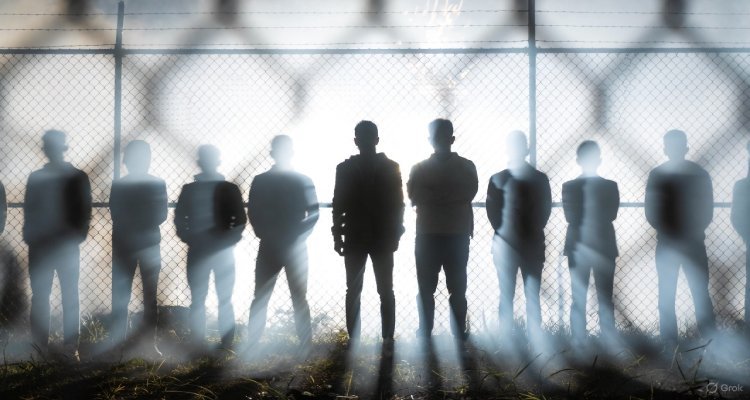
Global modern slavery has surged to 50 million people, ILO warns. Rising forced labour, forced marriage, and exploitation demand urgent international action.
Introduction: A Crisis Hidden in Plain Sight
On December 2 each year, the world pauses to observe the International Day for the Abolition of Slavery. Yet in 2025, the day arrives not with progress, but with a staggering reality: 50 million people are currently living in modern slavery, according to new estimates from the International Labour Organisation (ILO). Behind supply chains, domestic households, agricultural fields, and global industries lies a system of exploitation so ingrained that millions cannot walk away—even if their lives depend on it.
A Legacy of 1949, A Challenge of 2025
The roots of this annual observance trace back to December 2, 1949, when the United Nations adopted the landmark Convention for the Suppression of the Traffic in Persons and the Exploitation of the Prostitution of Others. The treaty was a promise: a commitment by the global community to end one of humanity’s oldest crimes.
But today, the challenge has evolved. Modern slavery no longer resembles shackles or slave ships. Instead, it survives in forms far harder to detect—forced labour, human trafficking, debt bondage, child exploitation, and forced marriage. These crimes occur in nearly every country, cutting across cultural, economic, and religious boundaries.
Modern Slavery on the Rise: The New ILO Findings
The ILO’s latest data paints a deeply troubling picture.
A Sharp Increase Over Five Years
- 10 million more people were pushed into modern slavery between 2016 and 2021.
- A total of 50 million people are now trapped:
- 28 million in forced labour
- 22 million in forced marriage
Far from declining, exploitation has surged due to economic instability, conflict, displacement, and widening global inequalities.
Children at the Center of Abuse
Modern slavery hits the youngest the hardest:
- 1 in 8 forced labour victims is a child
- Over half of these children are exploited in commercial sexual activities
Where Modern Slavery Thrives
Contrary to popular assumptions, modern slavery is not confined to developing nations:
- 86% of forced labour occurs in the private sector
- 52% of global forced labour occurs in upper-middle and high-income countries
- Forced commercial sexual exploitation overwhelmingly targets women and girls—4 out of 5 victims
The main sectors implicated include:
- Industry
- Agriculture
- Domestic work
- Services
Together, they account for 89% of forced labour cases worldwide.
How Modern Slavery Operates Today
Though not defined in a single international law, “modern slavery” is widely understood as exploitation that a person cannot refuse or leave because of:
- threats
- violence
- coercion
- deception
- abuse of power
Victims include migrant workers leveraging loans to secure jobs, children coerced into conflict zones, women trapped in forced marriages, and labourers bound by debt cycles designed to be impossible to repay.
The global nature of supply chains means exploitation is often hidden behind everyday products—from textiles to electronics, seafood to construction materials.
Expert Insights: A Crisis That Demands Urgency
Human rights advocates and labour experts warn that the crisis may worsen without immediate intervention.
Dr. Maria Esteban, a labour rights specialist, explains:
“The rise in modern slavery is directly linked to systemic vulnerabilities—economic pressure, migration, conflict, and weak enforcement. It’s a perfect storm that traffickers and exploiters are exploiting at an unprecedented scale.”
For many, the issue is not a lack of laws but a failure of implementation. The ILO’s 2016 Protocol on Forced Labour, which legally binds nations to stronger enforcement, offers a powerful tool—but only if countries prioritize compliance.
The Economics of Exploitation: $236 Billion in Profits
Modern slavery isn’t just a human tragedy—it’s a business model.
According to ILO’s Profits and Poverty report:
- Forced labour generates $236 billion annually
- The profits represent wages stolen from already vulnerable workers
- Governments lose billions in tax revenue
- Criminal networks expand their reach using illegal labour profits
- Families of migrant workers suffer as remittances diminish
The profit-per-victim ratio has risen sharply, making forced labour one of the most lucrative illicit industries in the world—rivaling drug trafficking.
Human Impact: Invisible Lives, Global Consequences
The human cost cannot be overstated:
- Families separated
- Children robbed of education
- Women trapped in violent marriages
- Workers injured, abused, or threatened
- Migrants exploited while seeking survival
The ripple effects stretch globally—weakening labour markets, fuelling organized crime, and undermining human rights commitments.
What Happens Next? The Path Forward
Human rights groups urge governments to:
- Strengthen enforcement against traffickers and exploitative employers
- Invest in labour inspections
- Protect migrants from predatory recruitment
- Criminalize forced marriage
- Support survivors with rehabilitation and legal recourse
- Increase cross-border cooperation
Consumers, too, play a role by demanding transparency in supply chains and supporting ethical brands.
The ILO warns that without decisive action, the numbers could rise again—pushing millions further into the shadows.
Conclusion: Ending Slavery Requires More Than Awareness
As the world marks the International Day for the Abolition of Slavery, the message is stark: modern slavery is not a relic of the past—it is a growing, global emergency.
Fifty million people are living without freedom, trapped in conditions that strip them of dignity, autonomy, and basic rights. The ILO’s findings serve as a wake-up call—one urging governments, industries, and global citizens to move beyond symbolic gestures and confront the systems of exploitation that thrive in silence.
Ending modern slavery is not just a legal obligation—it is a moral one.
Disclaimer :This article is for informational and educational purposes only. It is based exclusively on the provided headline and supplied details. It does not reproduce or paraphrase any copyrighted news article or external source.